
By Holly Rohring (@heyitscounselorholly)
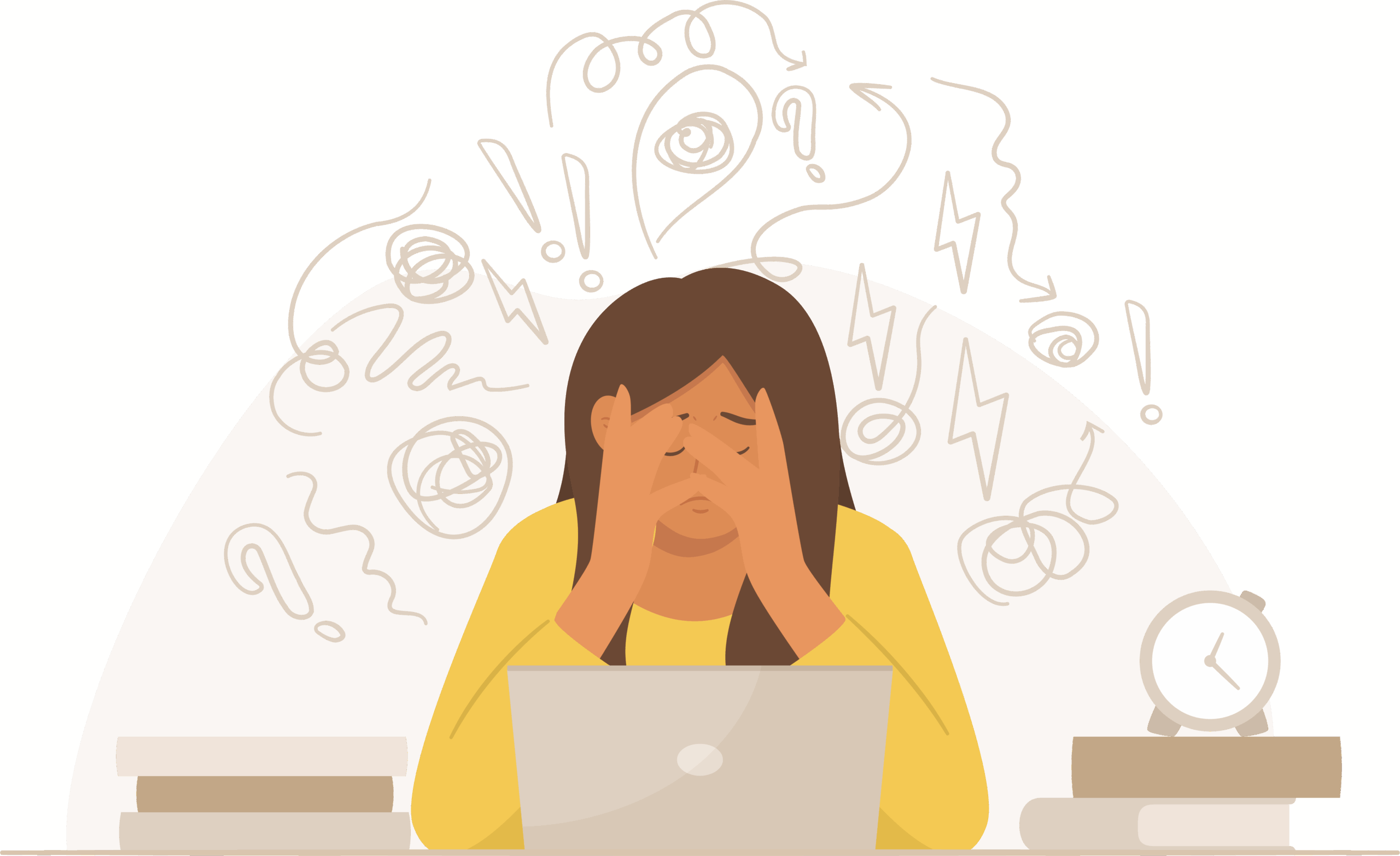
We have all been there. On the receiving end of that story from that friend. We keep our focus on them as they retell the story of something scary or stressful that happened to them that week. Then they end it with that familiar saying, “I am so traumatized!”
So, what is trauma, and how do I know if I am dealing with it? If I were to stop you on the side of the street, microphone in hand, and ask you that question—would you be able to answer?
First, it’s important to recognize that trauma is not the event itself. Instead, it is a powerful emotional response to a distressing event. The event itself is the gateway—the door that can open to trauma symptoms. This explains how two people can experience a similar event and walk away with very different responses. One person may appear unbothered, while the other develops lingering symptoms that can start interfering with their daily life.
Trauma Symptoms, Explained
Trauma symptoms can last for years—even decades. Some of them include:
- Nightmares and distressing dreams
- Avoidance of reminders of the event—or even the memories themselves
- Flashbacks that feel as if the event is happening all over again
- Heightened startle response
- Irritability, anger, or self-blame
- Difficulty sleeping or concentrating
There is no single “recipe” for developing trauma symptoms; however, certain factors increase vulnerability. These include whether the event happened unexpectedly, occurred repeatedly over time, left the person feeling helpless, or occurred during childhood.
The truth is, most of us will experience distressing events at some point in our lives. The question becomes: How do we know if what we’re carrying is trauma? Often, people second-guess themselves when they start wondering this. They look at others and think: “But their experience was so much worse than mine. There’s no way what I went through counts as trauma.”
The reality is that comparing your distressing experiences to someone else’s is like comparing an orange to a pizza—it just doesn’t work. Everyone’s nervous system responds differently, and pain is not a competition. Your experience matters, and so does your healing.
Questions to Ask – and How to Heal
A helpful starting point is to ask yourself:
- Are these memories or feelings interfering with my daily life or relationships?
- Do I find myself avoiding people, places, or situations out of fear of being reminded?
- Do I feel “stuck” in the past, unable to fully engage in the present?
If you answered yes to any of these, you may be experiencing trauma, and that recognition itself is powerful. Naming it opens the door to healing.
How to Begin Healing
- Reach out for support. Whether it’s a trusted friend, counselor, or support group, healing happens in safe connection with others.
- Practice grounding techniques. Deep breathing, mindfulness, and body-based practices like yoga can help anchor you when symptoms flare up. (Why? Because we know that trauma not only affects the mind, it also affects the body).
- Honor your story. Journaling, creating rituals of remembrance, or talking with someone safe can help you give voice to your experience. Our instinct can often be to bury things and keep them hidden. The problem with this is that they still get stirred up unintentionally. Part of healing can often involve sharing your story with others, even if it starts with a trained professional.
- Seek professional help if needed. Trauma-focused therapies (like EMDR, somatic experiencing, or CBT) are evidence-based ways to reduce symptoms and reclaim your life.
Healing from trauma is not about “getting over it”—it’s about learning to live with your experiences in a way that no longer controls you. Your story is not defined by what happened to you, but by how you move forward.
It’s Time to Journal
Reflecting on your healing journey — where you’ve been and what you need — is a helpful step. Grab your favorite notebook, journal, or even app, and work through these key questions.
- When have I minimized or dismissed my own pain instead of acknowledging it?
- What small step could I take this week to care for myself when difficult memories arise?
- Who in my life can I trust to walk alongside me as I continue to heal?
About Holly Rohring
Holly Rohring (@heyitscounselorholly) has over 10 years of experience as an educator and has been working in the mental health field since 2019. She has worked with teens and families in PHP/IOP settings, providing her with experience in the following areas: suicidal ideation, self-harm, psychosis, depression, anxiety, behavioral issues, academic/school concerns, family dynamics, parent/child relationships, personality disorders, mood disorders, adjustment disorders, and couples therapy.
Her first book – The Anxious Believer Bible study – was published in 2025.
Holly’s areas of specialty include: Cognitive Behavioral (CBT), Trauma-informed care, Exposure Response Prevention, Solution-Focused techniques, and Christian Counseling. She has the following trainings: Gottman Level 1 & Treating Affairs/Trauma, and Certified Clinical Anxiety Training.

In 2025, Holly and her twin sister, Heather Kell of Kell of a Plan, released their first Mental Health Journal. Intended for use individually or in tanedem with a counselor or therapist, the journal offers the following sections.
- Mental Health Weekly Check-Ins: Foster self-awareness and track your emotional well-being.
- Daily Mood Journaling: Use an emotion wheel and prompts to reflect on your feelings each day.
- Fighting Anxiety: Confront and process stressors with practical, calming tools.
- Gratitude Journaling: Cultivate a positive mindset through daily gratitude reflections.
- Coloring Sheets: Embrace mindfulness and relaxation with calming, creative outlets.
- Therapy Notes: A space to jot down key takeaways from therapy sessions or mental health insights.
Holly is a Licensed Professional Counselor who works to meet individuals and couples where they are. She believes that every client can build the life they desire and is passionate in aiding them to weather the storms of life.