
By Holly Rohring (@heyitscounselorholly)
We all have seasons where something feels off.
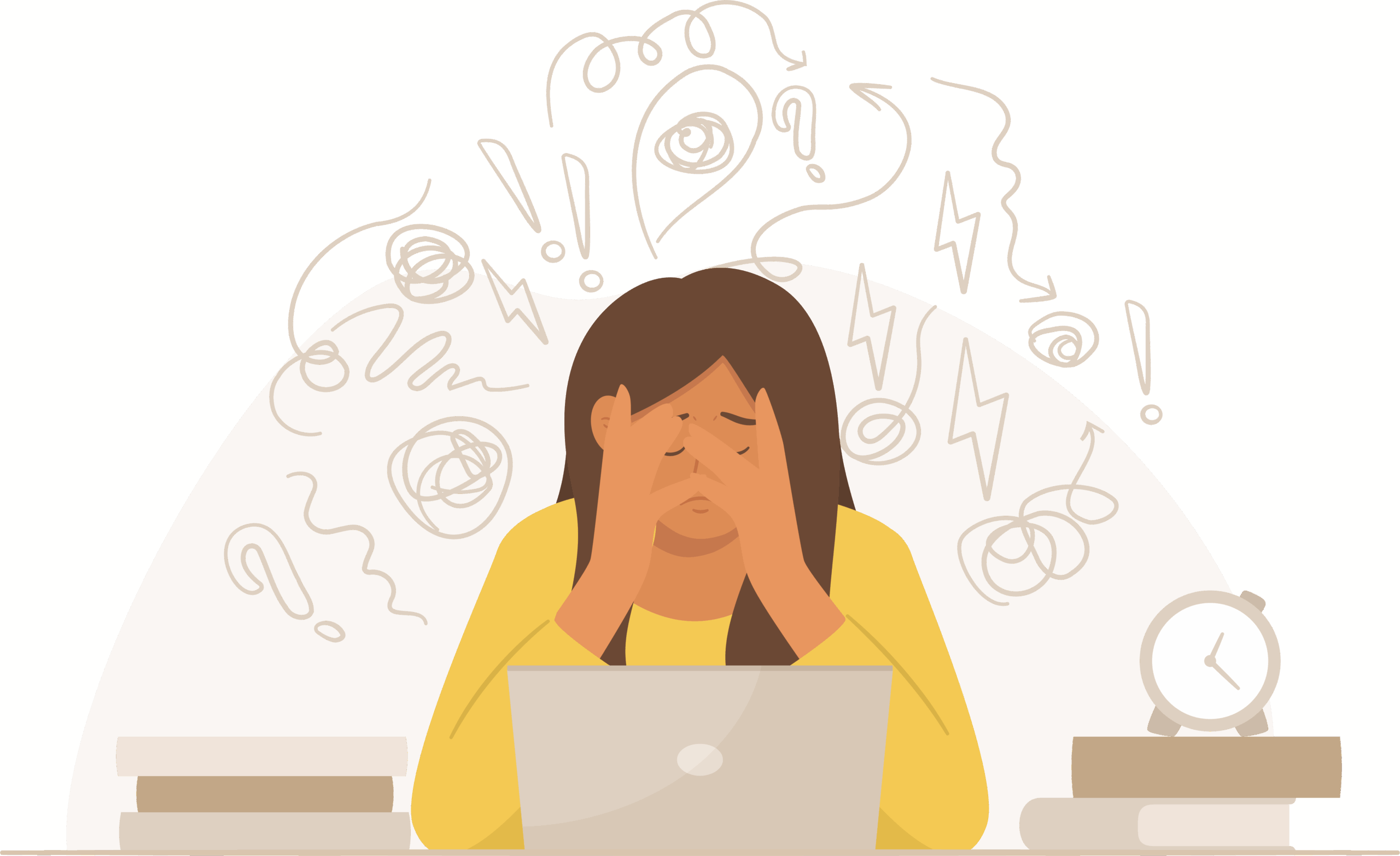
Maybe you’re overwhelmed.
Maybe you’re exhausted in a way sleep doesn’t fix.
Maybe your thoughts feel heavy or hard to organize.
Maybe you’re carrying stress, grief, anxiety, or something you can’t quite name.
When you’re struggling mentally or emotionally, the question often becomes:
What am I supposed to do with this?
Many people jump straight to one of two extremes:
Ignore it and hope it passes.
Or assume something is deeply wrong with them.
But there is a gentler, healthier middle path.
Start With Support
Before we talk about counseling, it’s important to acknowledge something:
We were never meant to do life alone.
One of the most protective factors for mental health is safe, personal connection.
This might look like:
- Talking to a trusted friend
- Sharing honestly with your spouse or partner
- Reaching out to a mentor or pastor in your faith community
- Letting a family member know you’re not okay
- Joining a small group or support community
Support doesn’t mean someone fixes it for you.
It means:
You are not alone in it.
Your experience is witnessed by someone else.
Someone can hold hope when yours feels shaky.
Isolation tends to amplify distress.
Connection helps regulate it.
Sometimes the first step isn’t solving anything.
It’s simply letting someone know you’re struggling.
Build Awareness Before You Burn Out
Many people wait until they are overwhelmed before paying attention to their mental health.
But emotional health works much like physical health.
We don’t wait for a medical crisis to care for our bodies.
We monitor, adjust, and respond along the way.
This is one of the reasons my sister and I created the Kell of a Plan Mental Health Journal – to give people a simple, approachable way to:
- Track emotional patterns
- Notice stress triggers
- Identify mood shifts
- Process thoughts safely
- Build mindfulness around their inner world
Sometimes clarity begins simply by slowing down long enough to notice:
What am I carrying today?
What is draining me?
What is helping me cope?
This kind of intentional reflection can prevent emotional buildup from turning into burnout. Check out the journal here: Mental Health Journal.
Know When to Seek Counseling
Support systems are powerful, but they are not the same as professional care.
There are times when added support becomes necessary.
You might consider counseling when:
- The same struggles keep resurfacing
- Your coping tools aren’t working anymore
- Emotions feel overwhelming or unpredictable
- Anxiety, sadness, or anger feels constant
- You’re withdrawing from life or relationships
- You feel stuck in patterns you can’t shift
Counseling isn’t a last resort.
It’s not a sign of failure.
It’s not something reserved only for a crisis.
Counseling Is an Investment In Your Health
We often prioritize physical health without hesitation.
We have been known to:
- Go to the doctor
- Exercise
- Take vitamins
- Address symptoms early
But when it comes to emotional health, many people delay care – sometimes until the distress becomes unmanageable.
Counseling is not just about fixing problems.
It’s about:
- Strengthening resilience
- Processing pain safely
- Learning new emotional skills
- Improving relationships
- Creating sustainable coping patterns
Just like tending to physical health protects your body, tending to mental health protects your ability to live fully.
A Gentle Place to Begin
If you’re not sure where to start, you don’t have to solve everything today.
You might simply begin with this question:
Where do I want to be emotionally by the end of 2026?
Not where you think you should be.
Not where someone else expects you to be.
But where you hope to be.
Do you want to feel:
More steady?
Less overwhelmed?
More connected?
More at peace?
More confident in how you handle stress?
Once you can name where you’d like to be, the next question becomes:
What kind of support might help me get there?
For some, that may look like leaning into trusted relationships.
For others, it may begin with building awareness: noticing patterns through intentional reflection.
And for many, it may include counseling – not because something is “wrong,” but because growth often happens more safely with guidance.
Reflection Questions
If you want to pause and consider your next step, you might reflect on:
- Where do I hope to be emotionally by the end of 2026?
- What kind of support would help me move toward that?
- What is one small step I could take this week to care for my mental health?
You don’t have to wait until things are “bad enough” to seek support.
Sometimes the next step is connection.
Sometimes it’s reflection.
Sometimes it’s counseling.
All of them are valid.
All of them are part of caring for your whole health.

About Holly Rohring
Holly Rohring (@heyitscounselorholly) has over 10 years of experience as an educator and has been working in the mental health field since 2019. She has worked with teens and families in PHP/IOP settings, providing her with experience in the following areas: suicidal ideation, self-harm, psychosis, depression, anxiety, behavioral issues, academic/school concerns, family dynamics, parent/child relationships, personality disorders, mood disorders, adjustment disorders, and couples therapy.
Her first book – The Anxious Believer Bible study – was published in 2025.
Holly’s areas of specialty include: Cognitive Behavioral (CBT), Trauma-informed care, Exposure Response Prevention, Solution-Focused techniques, and Christian Counseling. She has the following trainings: Gottman Level 1 & Treating Affairs/Trauma, and Certified Clinical Anxiety Training.

In 2025, Holly and her twin sister, Heather Kell of Kell of a Plan, released their first Mental Health Journal. Intended for use individually or in tanedem with a counselor or therapist, the journal offers the following sections.
- Mental Health Weekly Check-Ins: Foster self-awareness and track your emotional well-being.
- Daily Mood Journaling: Use an emotion wheel and prompts to reflect on your feelings each day.
- Fighting Anxiety: Confront and process stressors with practical, calming tools.
- Gratitude Journaling: Cultivate a positive mindset through daily gratitude reflections.
- Coloring Sheets: Embrace mindfulness and relaxation with calming, creative outlets.
- Therapy Notes: A space to jot down key takeaways from therapy sessions or mental health insights.
Holly is a Licensed Professional Counselor who works to meet individuals and couples where they are. She believes that every client can build the life they desire and is passionate in aiding them to weather the storms of life.