What To Do When You’re Struggling Mentally and Emotionally

Your Mental Health

By Holly Rohring (@heyitscounselorholly)

We all have seasons where something feels off.

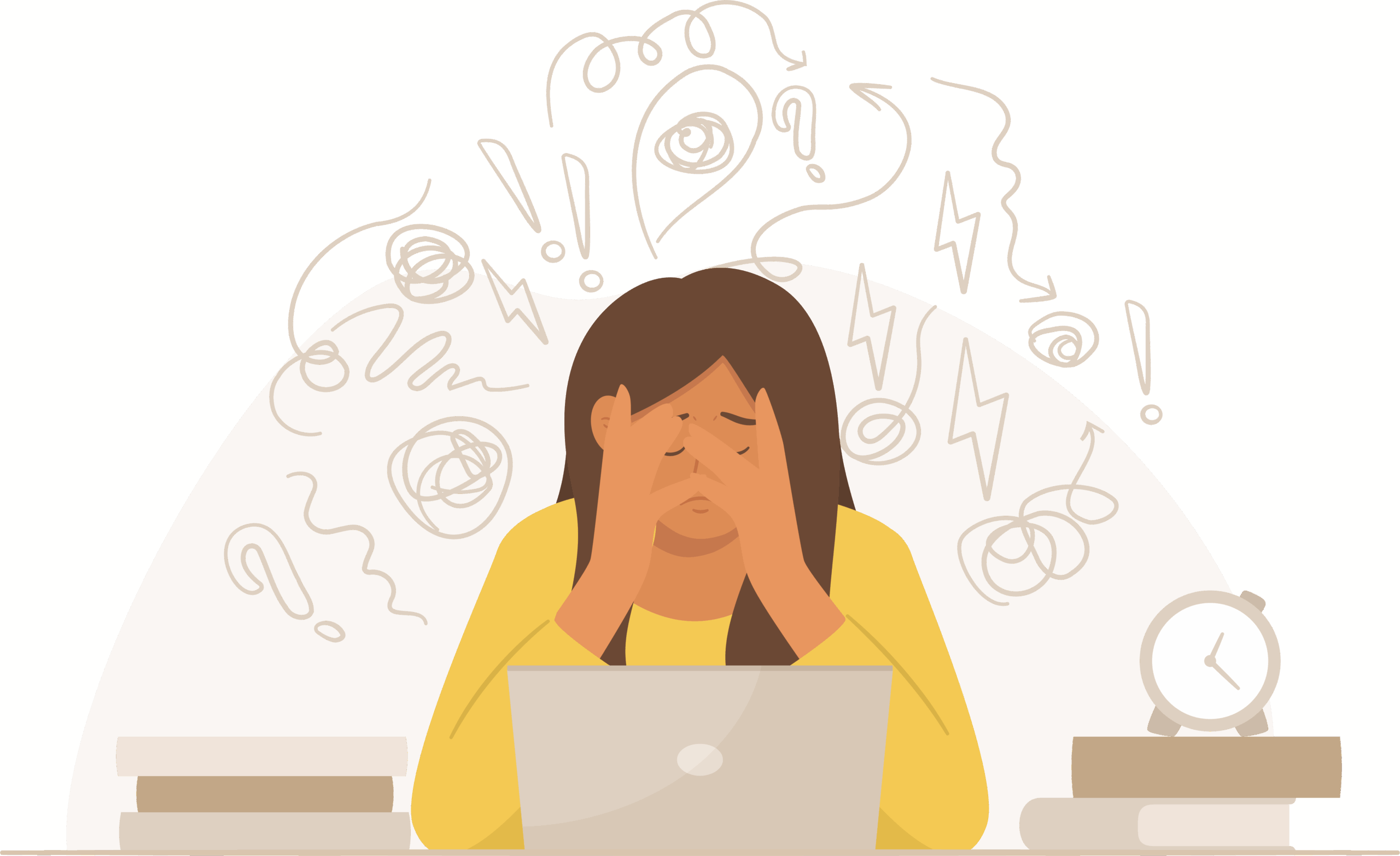
Maybe you’re overwhelmed.
Maybe you’re exhausted in a way sleep doesn’t fix.
Maybe your thoughts feel heavy or hard to organize.
Maybe you’re carrying stress, grief, anxiety, or something you can’t quite name.

When you’re struggling mentally or emotionally, the question often becomes:

What am I supposed to do with this?

Many people jump straight to one of two extremes:

Ignore it and hope it passes.

Or assume something is deeply wrong with them.

But there is a gentler, healthier middle path.

Start With Support

Before we talk about counseling, it’s important to acknowledge something:

We were never meant to do life alone.

One of the most protective factors for mental health is safe, personal connection.

This might look like:

  • Talking to a trusted friend
  • Sharing honestly with your spouse or partner
  • Reaching out to a mentor or pastor in your faith community
  • Letting a family member know you’re not okay
  • Joining a small group or support community

Support doesn’t mean someone fixes it for you.

It means:

You are not alone in it.
Your experience is witnessed by someone else.
Someone can hold hope when yours feels shaky.

Isolation tends to amplify distress.
Connection helps regulate it.

Sometimes the first step isn’t solving anything.
It’s simply letting someone know you’re struggling.

Build Awareness Before You Burn Out

Many people wait until they are overwhelmed before paying attention to their mental health.

But emotional health works much like physical health.

We don’t wait for a medical crisis to care for our bodies.
We monitor, adjust, and respond along the way.

This is one of the reasons my sister and I created the Kell of a Plan Mental Health Journal – to give people a simple, approachable way to:

  • Track emotional patterns
  • Notice stress triggers
  • Identify mood shifts
  • Process thoughts safely
  • Build mindfulness around their inner world

Sometimes clarity begins simply by slowing down long enough to notice:

What am I carrying today?
What is draining me?
What is helping me cope?

This kind of intentional reflection can prevent emotional buildup from turning into burnout. Check out the journal here: Mental Health Journal.

Know When to Seek Counseling

Support systems are powerful, but they are not the same as professional care.

There are times when added support becomes necessary.

You might consider counseling when:

  • The same struggles keep resurfacing
  • Your coping tools aren’t working anymore
  • Emotions feel overwhelming or unpredictable
  • Anxiety, sadness, or anger feels constant
  • You’re withdrawing from life or relationships
  • You feel stuck in patterns you can’t shift

Counseling isn’t a last resort.

It’s not a sign of failure.

It’s not something reserved only for a crisis.

Counseling Is an Investment In Your Health

We often prioritize physical health without hesitation.

We have been known to:

  • Go to the doctor
  • Exercise
  • Take vitamins
  • Address symptoms early

But when it comes to emotional health, many people delay care – sometimes until the distress becomes unmanageable.

Counseling is not just about fixing problems.

It’s about:

  • Strengthening resilience
  • Processing pain safely
  • Learning new emotional skills
  • Improving relationships
  • Creating sustainable coping patterns

Just like tending to physical health protects your body, tending to mental health protects your ability to live fully.

A Gentle Place to Begin

If you’re not sure where to start, you don’t have to solve everything today.

You might simply begin with this question:

Where do I want to be emotionally by the end of 2026?

Not where you think you should be.
Not where someone else expects you to be.

But where you hope to be.

Do you want to feel:

More steady?
Less overwhelmed?
More connected?
More at peace?
More confident in how you handle stress?

Once you can name where you’d like to be, the next question becomes:

What kind of support might help me get there?

For some, that may look like leaning into trusted relationships.

For others, it may begin with building awareness: noticing patterns through intentional reflection.

And for many, it may include counseling – not because something is “wrong,” but because growth often happens more safely with guidance.

Reflection Questions

If you want to pause and consider your next step, you might reflect on:

  1. Where do I hope to be emotionally by the end of 2026?
  2. What kind of support would help me move toward that?
  3. What is one small step I could take this week to care for my mental health?

You don’t have to wait until things are “bad enough” to seek support.

Sometimes the next step is connection.
Sometimes it’s reflection.
Sometimes it’s counseling.

All of them are valid.

All of them are part of caring for your whole health.


About Holly Rohring

Holly Rohring (@heyitscounselorholly) has over 10 years of experience as an educator and has been working in the mental health field since 2019. She has worked with teens and families in PHP/IOP settings, providing her with experience in the following areas: suicidal ideation, self-harm, psychosis, depression, anxiety, behavioral issues, academic/school concerns, family dynamics, parent/child relationships, personality disorders, mood disorders, adjustment disorders, and couples therapy.

Her first book – The Anxious Believer Bible study – was published in 2025.

Holly’s areas of specialty include: Cognitive Behavioral (CBT), Trauma-informed care, Exposure Response Prevention, Solution-Focused techniques, and Christian Counseling. She has the following trainings: Gottman Level 1 & Treating Affairs/Trauma, and Certified Clinical Anxiety Training.

In 2025, Holly and her twin sister, Heather Kell of Kell of a Plan, released their first Mental Health Journal. Intended for use individually or in tanedem with a counselor or therapist, the journal offers the following sections.

  • Mental Health Weekly Check-Ins: Foster self-awareness and track your emotional well-being.
  • Daily Mood Journaling: Use an emotion wheel and prompts to reflect on your feelings each day.
  • Fighting Anxiety: Confront and process stressors with practical, calming tools.
  • Gratitude Journaling: Cultivate a positive mindset through daily gratitude reflections.
  • Coloring Sheets: Embrace mindfulness and relaxation with calming, creative outlets.
  • Therapy Notes: A space to jot down key takeaways from therapy sessions or mental health insights.

Holly is a Licensed Professional Counselor who works to meet individuals and couples where they are. She believes that every client can build the life they desire and is passionate in aiding them to weather the storms of life.

Dear Holly: How can I better manage my panic attacks?

Your Mental Health

By Holly Rohring (@heyitscounselorholly)

Starting this month, we’ll share questions from the Wendy Crafts community that are focused on our mental and emotional health — along with answers, advice, and guidance.

Below is our first question. We invite you to submit your own using the following form. Anonymous inquiries are welcome.

Dear Holly,

I have suffered with severe anxiety and panic attacks my entire life. It is truly a “hidden cross” and can bring shame and embarrassment. It is SO hard to hear, “Well, just get over it. Relax.” I’d love to hear more about coming to terms with anxiety, loving ourselves despite it, and believing we are NOT “broken.”

– Beth

Dear Beth,

First, I want to say this clearly: what you’re carrying is real- and it matters.

Anxiety and panic can feel like a hidden cross because so much of the suffering happens internally. On the outside, people may see someone functioning, smiling, showing up. On the inside, your body may feel hijacked- your chest tight, your heart racing, your thoughts spiraling. When that experience is met with comments like “Just relax” or “Get over it,” shame can quietly take root.

If it were that simple, you would have already done it.

One important thing to understand about panic attacks is that they are often not dangerous- even though they feel terrifying. Many times, a panic attack is the brain misinterpreting a normal or mildly uncomfortable sensation in the body and sounding a false alarm. A change in breathing, a flutter in the chest, lightheadedness, or tension can be read as threat, and suddenly the body shifts into full fight-or-flight mode.

That doesn’t mean you’re weak. It means your brain is trying- imperfectly- to protect you.

Anxiety, too, is rarely about something being “wrong” with you. More often, it has to do with what you’ve lived through, the environment you’ve had to adapt to, and the ways your nervous system learned to stay alert in order to cope. Over time, that vigilance can become exhausting- but it is learned, and learned patterns can change.

Coming to terms with anxiety doesn’t mean surrendering to it or defining yourself by it. It means learning to understand it without shame. It means shifting from “How do I make this go away?” to “How do I live a full life, even when anxiety shows up?”

Because the goal is not a life where anxiety never appears- this is where many of us go wrong. The goal is a life that doesn’t shrink in fear of it.

Loving yourself in the midst of anxiety often looks like meeting your body with compassion instead of criticism. It’s reminding yourself, “This is uncomfortable, but I am not in danger.” It’s allowing anxiety to pass through rather than organizing your entire life around avoiding it.

And I want to say this clearly: you are not broken.

You are a human who has adapted, survived, and kept going. Anxiety may be part of your story, but it is not your identity, and it is not a measure of your worth.

Healing doesn’t mean anxiety disappears. In fact, I would challenge you to look at it differently- with an understanding that it will in fact return. We must learn instead to walk with it- grounded, supported, and no longer ruled by fear.

You don’t have to “get over it” to be whole.
You already are.

Sending you grace,
Counselor Holly


About Holly Rohring

Holly Rohring (@heyitscounselorholly) has over 10 years of experience as an educator and has been working in the mental health field since 2019. She has worked with teens and families in PHP/IOP settings, providing her with experience in the following areas: suicidal ideation, self-harm, psychosis, depression, anxiety, behavioral issues, academic/school concerns, family dynamics, parent/child relationships, personality disorders, mood disorders, adjustment disorders, and couples therapy.

Her first book – The Anxious Believer Bible study – was published in 2025.

Holly’s areas of specialty include: Cognitive Behavioral (CBT), Trauma-informed care, Exposure Response Prevention, Solution-Focused techniques, and Christian Counseling. She has the following trainings: Gottman Level 1 & Treating Affairs/Trauma, and Certified Clinical Anxiety Training.

In 2025, Holly and her twin sister, Heather Kell of Kell of a Plan, released their first Mental Health Journal. Intended for use individually or in tanedem with a counselor or therapist, the journal offers the following sections.

  • Mental Health Weekly Check-Ins: Foster self-awareness and track your emotional well-being.
  • Daily Mood Journaling: Use an emotion wheel and prompts to reflect on your feelings each day.
  • Fighting Anxiety: Confront and process stressors with practical, calming tools.
  • Gratitude Journaling: Cultivate a positive mindset through daily gratitude reflections.
  • Coloring Sheets: Embrace mindfulness and relaxation with calming, creative outlets.
  • Therapy Notes: A space to jot down key takeaways from therapy sessions or mental health insights.

Holly is a Licensed Professional Counselor who works to meet individuals and couples where they are. She believes that every client can build the life they desire and is passionate in aiding them to weather the storms of life.

Bridging Faith and Anxiety: The Heart Behind The Anxious Believer Bible Study

Your Mental Health

By Holly Rohring (@heyitscounselorholly)

For years as a counselor, I’ve sat across from believers who love God deeply – and still feel overwhelmed by anxiety.

They come into my office and express a sincere desire to trust God – yet their bodies tell a different story. Tight chests. Racing thoughts. Sleepless nights. A nervous system that won’t seem to quiet down, no matter how hard they feel like they try. 

Over and over, I heard the same quiet confession:

“I love God, but anxiety still feels loud.”That tension – the space between faith and fear – is what inspired my new Bible study, The Anxious Believer.

The Need I Kept Seeing as a Christian Counselor

As a licensed professional counselor and a Christian, I began to notice this over and over again.

Many believers were carrying unnecessary shame about their anxiety. They wondered:

  • Why do I still struggle if I trust God?
  • Am I doing something wrong spiritually?
  • Is anxiety a sign of weak faith?

Others were trying to “pray away” symptoms their bodies had learned through years of stress, trauma, or chronic overwhelm. They loved God, but anxiety still showed up as racing thoughts, a tight chest, constant what-ifs, and a feeling of being on edge all the time.

What I saw clearly was this:
Faith and anxiety are not opposites.
And anxiety is not a spiritual failure.

I saw a deep need for a resource that honored both Scripture and the way God designed the brain and nervous system.

Why The Anxious Believer Is Different

I didn’t want to write another study that offered quick fixes or platitudes.

The Anxious Believer was created to meet readers in the middle of their lived experience – where faith is real, but anxiety is, too. That’s right, they can walk hand in hand. This Bible study is about finding the place where the existence of anxiety if not a threat to our faith as Christians.

This four-week Bible study blends:

  • Biblical truth that anchors identity and hope
  • Psychological insight that explains what anxiety actually is and why it shows up
  • Practical tools that help calm the body, challenge anxious thought patterns, and build emotional resilience

Each week includes daily lessons, guided prayers, reflection questions, and group discussion prompts- making it just as meaningful for personal study as it is for small groups or women’s ministries.

Rather than asking readers to ignore their anxiety, this study teaches them how to recognize it, respond to it wisely, and loosen its grip – without compromising their faith.

Shedding Anxiety as an Identity

One of the core messages of The Anxious Believer is this:
Anxiety may be part of your experience, but it is not your identity.

Throughout the study, readers are gently invited to examine the stories they’ve been telling themselves- about God, about fear, and about who they are – and to replace them with truth rooted in Scripture.

This isn’t about pretending anxiety doesn’t exist. It’s about learning to walk with God through it, equipped with both spiritual wisdom and practical skills.

My Hope For You

If you’re someone who loves God but feels worn down by anxiety…
If your mind races even when your heart wants peace…
If you’ve ever wondered why trusting God doesn’t automatically quiet your nervous system…

You are not broken.
You are not failing.
And you are not alone.

My hope is that The Anxious Believer feels like a steady hand and a compassionate voice – one that reminds you that God meets you right where you are and invites you into healing that is both faithful and grounded.

Faith doesn’t require the absence of anxiety.
It invites us to learn how to carry it differently.

Grab your copy of The Anxious Believer today: https://amzn.to/4qeOQal 


About Holly Rohring

Holly Rohring (@heyitscounselorholly) has over 10 years of experience as an educator and has been working in the mental health field since 2019. She has worked with teens and families in PHP/IOP settings, providing her with experience in the following areas: suicidal ideation, self-harm, psychosis, depression, anxiety, behavioral issues, academic/school concerns, family dynamics, parent/child relationships, personality disorders, mood disorders, adjustment disorders, and couples therapy.

Her first book – The Anxious Believer Bible study – was published in 2025.

Holly’s areas of specialty include: Cognitive Behavioral (CBT), Trauma-informed care, Exposure Response Prevention, Solution-Focused techniques, and Christian Counseling. She has the following trainings: Gottman Level 1 & Treating Affairs/Trauma, and Certified Clinical Anxiety Training.

In 2025, Holly and her twin sister, Heather Kell of Kell of a Plan, released their first Mental Health Journal. Intended for use individually or in tanedem with a counselor or therapist, the journal offers the following sections.

  • Mental Health Weekly Check-Ins: Foster self-awareness and track your emotional well-being.
  • Daily Mood Journaling: Use an emotion wheel and prompts to reflect on your feelings each day.
  • Fighting Anxiety: Confront and process stressors with practical, calming tools.
  • Gratitude Journaling: Cultivate a positive mindset through daily gratitude reflections.
  • Coloring Sheets: Embrace mindfulness and relaxation with calming, creative outlets.
  • Therapy Notes: A space to jot down key takeaways from therapy sessions or mental health insights.

Holly is a Licensed Professional Counselor who works to meet individuals and couples where they are. She believes that every client can build the life they desire and is passionate in aiding them to weather the storms of life.

My Most-Loved Paper Crafting Supplies

Craft Supplies

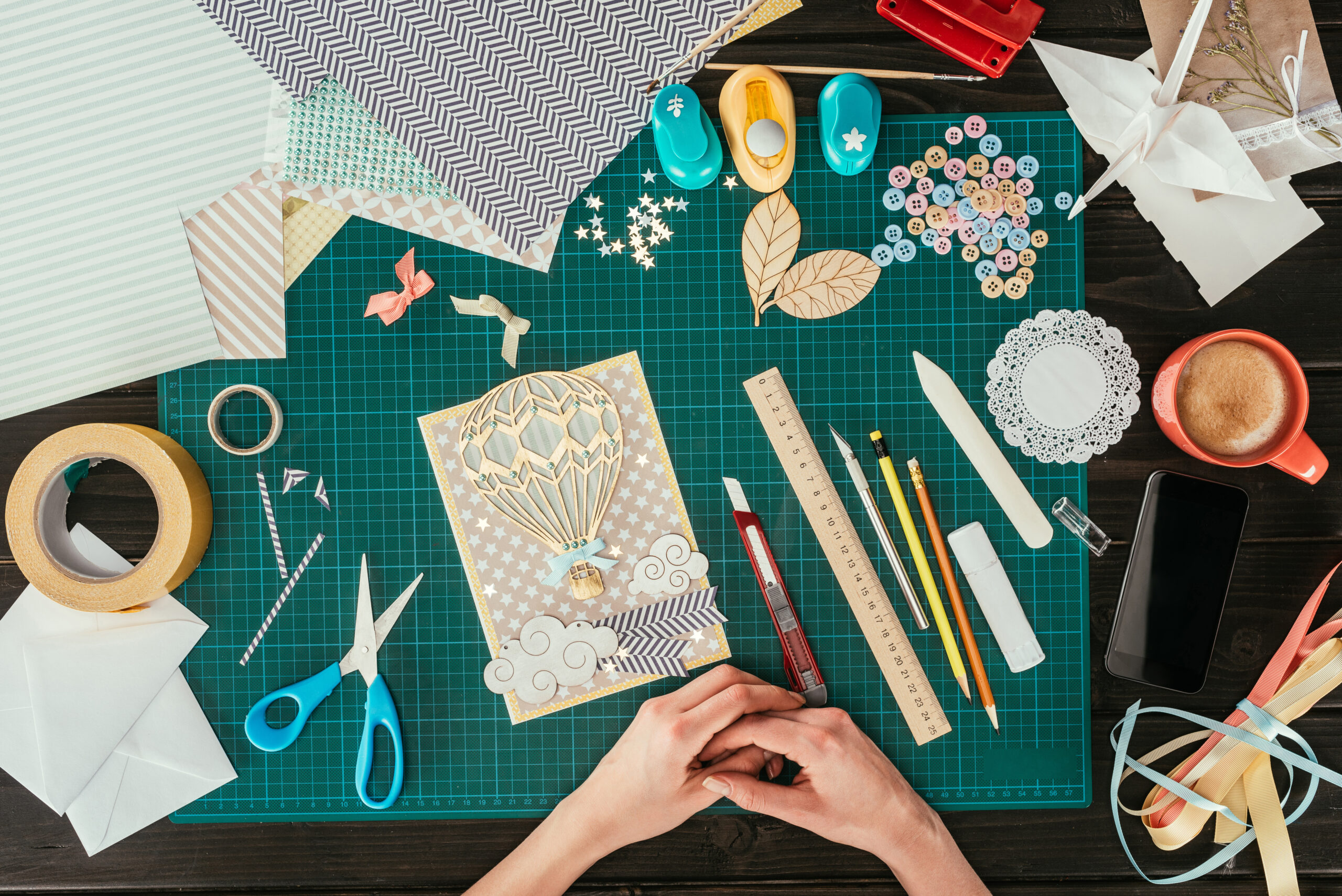
When meeting fellow crafters in my Omaha-area community and virtually around the world (literally!), our conversations often turn to the favorite items in our craft rooms.

From cardstock to adhesive, embellishments to storage, and everything in between — we like what we like and LOVE to discover new supplies.

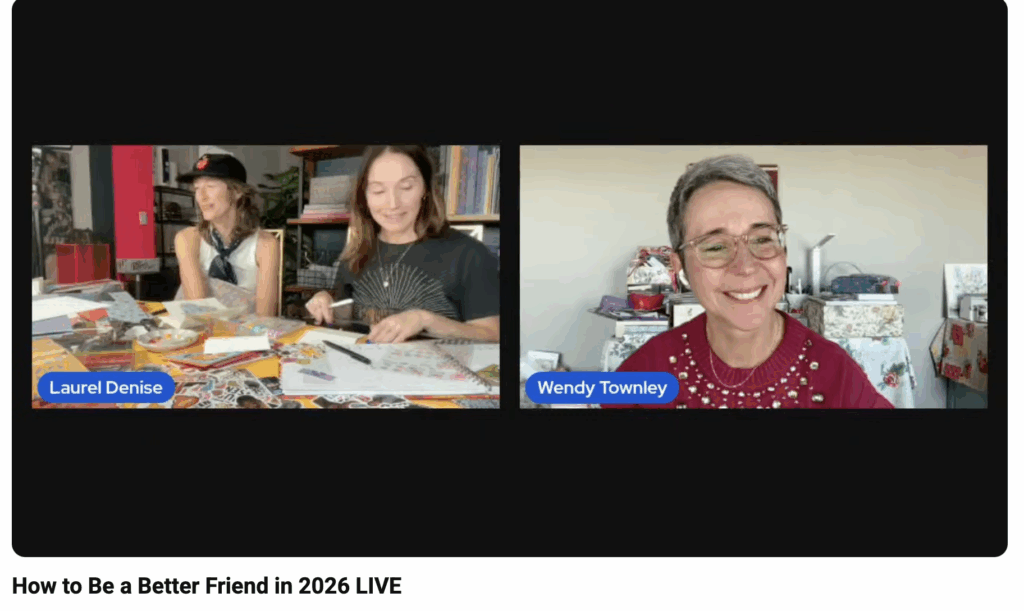
Following a recent — and VERY FUN! — live YouTube guest appearance with Nancy and Lolly of Laurel Denise, our chitchat inevitably turned to our shared love of craft supplies. (Watch the entire reply below!)

Collecting? Hoarding? However we define our at-home inventory, what matters more is that we put our stash to work.

Which means not just having a variety of pretty things, but the right tools that deliver predictable, reliable results every single time.

Settle in and keep reading. Below are just some of my favorites.

Cardstock and Embellishments FTW (and Forever)

Some of my favorite, go-to, and beloved brands for cardstock and paper are listed below. Find them at your area craft store (shop local, friends!) or online.

  • Anna Griffin: Love antique-inspired designs with embellishments and florals grounded in gold? Look no further than Anna Griffin.

  • 49 and Market: Annually featuring several papercrafting collections from global designers I turn to regularly, 49 and Market offers fresh takes using both bold colors and muted pallets. My three favorites are Vicki Boutin, Dennis Bruton, and Joanne Bain.

  • Echo Park: Often releasing collections with whimsical colors and charming designs, Echo Park is a great brand to turn to year-round.

  • Arden Creative Studio: Based in the United Kingdom, Arden Creative Studio also celebrates colorful creativity with a number of designers each year, including two of my favorites: Andrea Lake and Katie Pertiet.

Adhesive and Glue Supplies to the Rescue

If you’re taking the time to craft something creative with your hands, you want it to last. Don’t skimp on the adhesive. Having a variety of quality options, sizes, and “stickiness” will ensure your projects will remain intact for years to come.

  • Foam dots (and squares and circles): Also referred to by crafters as “pop dots,” few things provide a 3D-layered design like these little sticky gems. You’ll find them online and in your favorite craft store. For a truly chunky card, use them on every layer.

  • Liquid glue: Used and loved by papercrafters, a single bottle of Bearly Art Precision Craft Glue will last a LONG time with the best results.

  • Double-sided tear tape: Easily and effortlessly customize your stickiest of crafting needs with just a few rolls. You’ll be surprised at the other uses you’ll discover for this versatile tape.

  • Adhesive runner: Fun to say, even more fun to use. This adhesive tool from Kingston Crafts is, hands down, one of the best on the market.

Crafty Tools to Keep Handy

Sometimes the less-pretty, more practical craft tools become your project’s BFF. Most are fairly inexpensive, meaning you can keep multiples available at different workstations or to take when crafting away from home.

Now it’s your turn! Which craft supplies do you LOVE the most? Let’s chat! wendy@wendycrafts.co


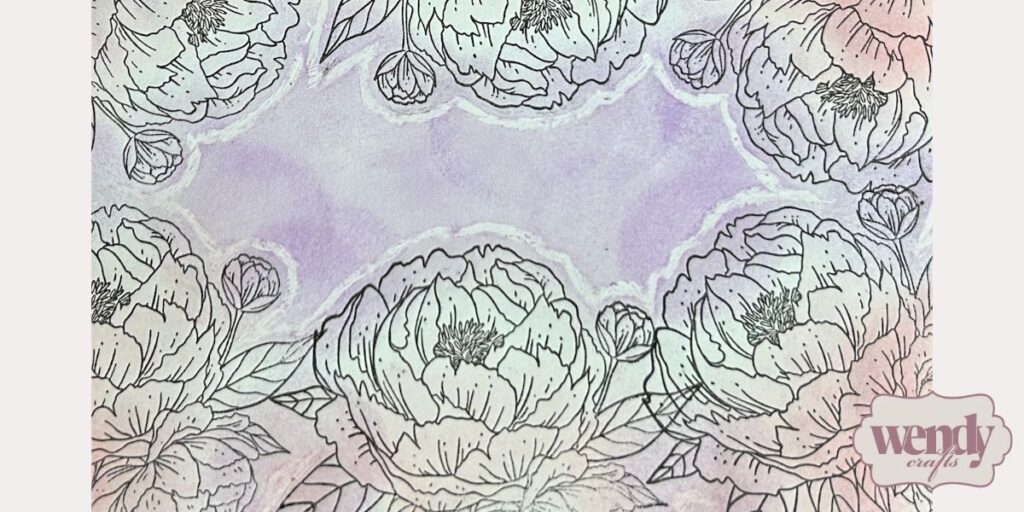
Detail of white crayon design resisting lavender colored ink

Saying No as an Act of Joy: Escaping Burnout During the Holiday Rush

Your Mental Health

By Holly Rohring (@heyitscounselorholly)

If you’ve ever found yourself stress-eating peppermint bark while staring at a calendar packed tighter than Santa’s workshop… welcome. You’re in good company.

The holiday season is supposed to be magical, but somehow it always turns into a marathon of events, obligations, shopping, and trying to remember which relative is allergic to what. And underneath all of that? Burnout- quietly waving from the corner like, “Hey, remember me?”

Burnout vs. Engagement: The Real Opposites

Burnout is that drained, hopeless feeling when your brain is basically running on the emotional equivalent of low-battery mode. Its opposite, engagement, is when you actually feel energized and connected to what you’re doing.

Fun fact: you cannot be engaged in life if you’re drowning in too many commitments. No one is “fully alive” while sprinting from event to event with a to-do list that multiplies like Christmas cookies.

Why Saying No Is Weirdly Joyful

We treat “no” like it’s a bad word, but honestly? It might just be the secret to enjoying your life again.

Wait, what?

Yes, saying “no” can actually be a good thing. If you use it in the right way.

Saying “no” creates margin.
Saying “no” protects your mental health.
Saying “no” means you get to show up to the things you actually care about without silently plotting your escape.

And during the holidays, saying “no” can become self-care with a bow on it- if you let it.

Boundaries: Your Holiday Season Survival Tool

The holidays love to tell us we must do everything. Go to all the gatherings! Say yes to every volunteer spot! Make twelve dozen cookies!

Meanwhile, burnout is like, “Please stop.”

But what if this year, instead of letting December chew you up and spit you out, you practiced saying “no” with confidence (and maybe a little sass)?

Because every time you say “no” to something draining, you say “yes” to something better–like rest, joy, or simply being able to feel your face again.

This holiday season, let your joy come from what you choose, not what you’re pressured into. You don’t have to do it all to be fully present. You don’t have to say yes to be valued. And you absolutely don’t have to run yourself into the ground to make the season meaningful.

Protect your peace.
Guard your energy.
And remember: every “no” creates space for a more intentional, joyful, wholehearted “yes.”

Reflection Questions

  • What holiday commitments energize me, and which ones secretly make me want to hide in the pantry?
  • Where do I need to give myself permission to say “no” this season?
  • What would it look like to enter January feeling rested instead of wrecked?

About Holly Rohring

Holly Rohring (@heyitscounselorholly) has over 10 years of experience as an educator and has been working in the mental health field since 2019. She has worked with teens and families in PHP/IOP settings, providing her with experience in the following areas: suicidal ideation, self-harm, psychosis, depression, anxiety, behavioral issues, academic/school concerns, family dynamics, parent/child relationships, personality disorders, mood disorders, adjustment disorders, and couples therapy.

Her first book – The Anxious Believer Bible study – was published in 2025.

Holly’s areas of specialty include: Cognitive Behavioral (CBT), Trauma-informed care, Exposure Response Prevention, Solution-Focused techniques, and Christian Counseling. She has the following trainings: Gottman Level 1 & Treating Affairs/Trauma, and Certified Clinical Anxiety Training.

In 2025, Holly and her twin sister, Heather Kell of Kell of a Plan, released their first Mental Health Journal. Intended for use individually or in tanedem with a counselor or therapist, the journal offers the following sections.

  • Mental Health Weekly Check-Ins: Foster self-awareness and track your emotional well-being.
  • Daily Mood Journaling: Use an emotion wheel and prompts to reflect on your feelings each day.
  • Fighting Anxiety: Confront and process stressors with practical, calming tools.
  • Gratitude Journaling: Cultivate a positive mindset through daily gratitude reflections.
  • Coloring Sheets: Embrace mindfulness and relaxation with calming, creative outlets.
  • Therapy Notes: A space to jot down key takeaways from therapy sessions or mental health insights.

Holly is a Licensed Professional Counselor who works to meet individuals and couples where they are. She believes that every client can build the life they desire and is passionate in aiding them to weather the storms of life.

Managing Overthinking and Rumination

Your Mental Health

By Holly Rohring (@heyitscounselorholly)

The Hamster Wheel

It starts with a simple text: “Can we talk later?”
Five small words — harmless, right? But before you know it, your mind is sprinting.

Did I do something wrong?
Maybe I shouldn’t have joked about that thing yesterday.
No, it’s probably fine. But… what if it’s not?

By the time the conversation actually happens, you’ve already lived through fifteen versions of it in your head — each one worse than the last. And when it’s finally over, you realize you’re not tired from the talk itself… you’re tired from thinking about it all day.

That’s what overthinking does. It convinces you that you’re being productive — that you’re “just trying to be prepared” — when really, you’re stuck on a mental hamster wheel. You’re moving fast, but you’re not getting anywhere.

So, what exactly is overthinking? It’s when your mind fixates on a situation, analyzing it from every possible angle. Closely related is rumination — when your thoughts circle around something negative, replaying it over and over without finding resolution.

If you’re a “classic overthinker” or find yourself stuck in rumination, you’re not alone. These thought patterns often show up in anxiety, OCD, or depression. They feel sticky — intrusive thoughts that won’t leave you alone, no matter how much you reason with them.

And what do we usually do? We follow the trail the thought leaves behind. We scroll back through texts to make sure we didn’t say something wrong. We replay conversations, trying to find proof we’re okay. Or we imagine worst-case scenarios to “prepare” ourselves.

The problem is, all of that searching and reassurance only teaches your brain that these thoughts are threats that must be solved — and so the cycle continues.

Our brains are fascinating — and sometimes frustrating — machines. They’re wired to protect us from danger, which means they react to fear whether it’s real or imagined. Think about how a scary movie or a haunting story can make your heart race. The same thing happens when our thoughts trigger fear.

Overthinking and rumination strengthen those fear pathways, keeping your mind in a loop of worry and doubt. But the good news is, there’s a way out.

Here are a few simple steps to start breaking the cycle:

  • Acknowledge the thought. As soon as you notice it, gently label it: “I’m overthinking again.” Awareness is the first step toward change.
  • Self-soothe. You don’t have to fight your thoughts. Engage in something that calms your nervous system — a walk, a creative project, journaling, or deep breathing.
  • Reach out for support. Anxiety and depression are common and treatable. You don’t have to manage them alone.

Remember — emotions are like the check-engine lights on your dashboard. They’re not there to shame you; they’re there to signal you to slow down, open the hood, and see what needs care.

When you start noticing your thoughts instead of chasing them, you reclaim your peace — one moment at a time.

Reflection Questions

  • When do you notice yourself overthinking the most — at night, after conversations, or before big decisions?
  • What kinds of thoughts tend to loop for you? Are they about relationships, work, or self-doubt?
  • How does your body feel when you’re caught in overthinking — tense, restless, heavy?
  • What has helped you calm your mind before? Can you name one healthy strategy that brings peace?
  • If your emotions are “check engine lights,” what might they be signaling you to slow down and notice right now?

About Holly Rohring

Holly Rohring (@heyitscounselorholly) has over 10 years of experience as an educator and has been working in the mental health field since 2019. She has worked with teens and families in PHP/IOP settings, providing her with experience in the following areas: suicidal ideation, self-harm, psychosis, depression, anxiety, behavioral issues, academic/school concerns, family dynamics, parent/child relationships, personality disorders, mood disorders, adjustment disorders, and couples therapy.

Her first book – The Anxious Believer Bible study – was published in 2025.

Holly’s areas of specialty include: Cognitive Behavioral (CBT), Trauma-informed care, Exposure Response Prevention, Solution-Focused techniques, and Christian Counseling. She has the following trainings: Gottman Level 1 & Treating Affairs/Trauma, and Certified Clinical Anxiety Training.

In 2025, Holly and her twin sister, Heather Kell of Kell of a Plan, released their first Mental Health Journal. Intended for use individually or in tanedem with a counselor or therapist, the journal offers the following sections.

  • Mental Health Weekly Check-Ins: Foster self-awareness and track your emotional well-being.
  • Daily Mood Journaling: Use an emotion wheel and prompts to reflect on your feelings each day.
  • Fighting Anxiety: Confront and process stressors with practical, calming tools.
  • Gratitude Journaling: Cultivate a positive mindset through daily gratitude reflections.
  • Coloring Sheets: Embrace mindfulness and relaxation with calming, creative outlets.
  • Therapy Notes: A space to jot down key takeaways from therapy sessions or mental health insights.

Holly is a Licensed Professional Counselor who works to meet individuals and couples where they are. She believes that every client can build the life they desire and is passionate in aiding them to weather the storms of life.

Recognizing Trauma and How to Heal

Your Mental Health

By Holly Rohring (@heyitscounselorholly)

We have all been there. On the receiving end of that story from that friend. We keep our focus on them as they retell the story of something scary or stressful that happened to them that week. Then they end it with that familiar saying, “I am so traumatized!”

So, what is trauma, and how do I know if I am dealing with it? If I were to stop you on the side of the street, microphone in hand, and ask you that question—would you be able to answer?

First, it’s important to recognize that trauma is not the event itself. Instead, it is a powerful emotional response to a distressing event. The event itself is the gateway—the door that can open to trauma symptoms. This explains how two people can experience a similar event and walk away with very different responses. One person may appear unbothered, while the other develops lingering symptoms that can start interfering with their daily life.

Trauma Symptoms, Explained

Trauma symptoms can last for years—even decades. Some of them include:

  • Nightmares and distressing dreams
  • Avoidance of reminders of the event—or even the memories themselves
  • Flashbacks that feel as if the event is happening all over again
  • Heightened startle response
  • Irritability, anger, or self-blame
  • Difficulty sleeping or concentrating

There is no single “recipe” for developing trauma symptoms; however, certain factors increase vulnerability. These include whether the event happened unexpectedly, occurred repeatedly over time, left the person feeling helpless, or occurred during childhood.

The truth is, most of us will experience distressing events at some point in our lives. The question becomes: How do we know if what we’re carrying is trauma? Often, people second-guess themselves when they start wondering this. They look at others and think: “But their experience was so much worse than mine. There’s no way what I went through counts as trauma.”

The reality is that comparing your distressing experiences to someone else’s is like comparing an orange to a pizza—it just doesn’t work. Everyone’s nervous system responds differently, and pain is not a competition. Your experience matters, and so does your healing.

Questions to Ask – and How to Heal

A helpful starting point is to ask yourself:

  • Are these memories or feelings interfering with my daily life or relationships?
  • Do I find myself avoiding people, places, or situations out of fear of being reminded?
  • Do I feel “stuck” in the past, unable to fully engage in the present?

If you answered yes to any of these, you may be experiencing trauma, and that recognition itself is powerful. Naming it opens the door to healing.

How to Begin Healing

  1. Reach out for support. Whether it’s a trusted friend, counselor, or support group, healing happens in safe connection with others.
  2. Practice grounding techniques. Deep breathing, mindfulness, and body-based practices like yoga can help anchor you when symptoms flare up. (Why? Because we know that trauma not only affects the mind, it also affects the body).
  3. Honor your story. Journaling, creating rituals of remembrance, or talking with someone safe can help you give voice to your experience. Our instinct can often be to bury things and keep them hidden. The problem with this is that they still get stirred up unintentionally. Part of healing can often involve sharing your story with others, even if it starts with a trained professional.
  4. Seek professional help if needed. Trauma-focused therapies (like EMDR, somatic experiencing, or CBT) are evidence-based ways to reduce symptoms and reclaim your life.

Healing from trauma is not about “getting over it”—it’s about learning to live with your experiences in a way that no longer controls you. Your story is not defined by what happened to you, but by how you move forward.

It’s Time to Journal

Reflecting on your healing journey — where you’ve been and what you need — is a helpful step. Grab your favorite notebook, journal, or even app, and work through these key questions.

  • When have I minimized or dismissed my own pain instead of acknowledging it?
  • What small step could I take this week to care for myself when difficult memories arise?
  • Who in my life can I trust to walk alongside me as I continue to heal?

About Holly Rohring

Holly Rohring (@heyitscounselorholly) has over 10 years of experience as an educator and has been working in the mental health field since 2019. She has worked with teens and families in PHP/IOP settings, providing her with experience in the following areas: suicidal ideation, self-harm, psychosis, depression, anxiety, behavioral issues, academic/school concerns, family dynamics, parent/child relationships, personality disorders, mood disorders, adjustment disorders, and couples therapy.

Her first book – The Anxious Believer Bible study – was published in 2025.

Holly’s areas of specialty include: Cognitive Behavioral (CBT), Trauma-informed care, Exposure Response Prevention, Solution-Focused techniques, and Christian Counseling. She has the following trainings: Gottman Level 1 & Treating Affairs/Trauma, and Certified Clinical Anxiety Training.

In 2025, Holly and her twin sister, Heather Kell of Kell of a Plan, released their first Mental Health Journal. Intended for use individually or in tanedem with a counselor or therapist, the journal offers the following sections.

  • Mental Health Weekly Check-Ins: Foster self-awareness and track your emotional well-being.
  • Daily Mood Journaling: Use an emotion wheel and prompts to reflect on your feelings each day.
  • Fighting Anxiety: Confront and process stressors with practical, calming tools.
  • Gratitude Journaling: Cultivate a positive mindset through daily gratitude reflections.
  • Coloring Sheets: Embrace mindfulness and relaxation with calming, creative outlets.
  • Therapy Notes: A space to jot down key takeaways from therapy sessions or mental health insights.

Holly is a Licensed Professional Counselor who works to meet individuals and couples where they are. She believes that every client can build the life they desire and is passionate in aiding them to weather the storms of life.

Reclaiming Your Mental Health from the Routine

Your Mental Health

By Holly Rohring (@heyitscounselorholly)

We’ve all done it.

You get into your car and start the familiar drive home from work—the same route you take every single day. If asked, you could probably list every intersection and count the exact number of traffic lights between your office and your driveway. It’s so routine, so ingrained, that you barely register the trip anymore.

Maybe you call a friend. Maybe your thoughts drift to dinner plans, weekend errands, or something someone said earlier. And then suddenly—you’re home. The key’s in the ignition, the engine is off, and you’re staring at your front door… but you don’t really remember the journey.

Was the light at the neighborhood entrance red or green? What song was on the radio? Did you stop for gas like you meant to?

You’re not sure. But somehow, you made it.

The Mental Health Parallel

You might be wondering: What does this have to do with mental health?

A lot, actually.

That drive home is more than just a commute—it’s a metaphor. It mirrors how we often move through life on autopilot. We get so caught up in routines, responsibilities, and noise that we stop noticing how we feel or what we truly need.

We wake up. We work. We scroll. We check out. Repeat.

At some point—maybe during a tough week, maybe in the middle of a breakdown—we realize we’re running on empty. Physically. Mentally. Emotionally.We don’t know how we got here. We just know we’re not okay.

Recognizing the Signs of Autopilot Living

Living on autopilot doesn’t always look like a crisis. Often, it looks like functioning:

  • Showing up to work
  • Meeting deadlines
  • Smiling on cue

But underneath, you may feel:

  • Disconnected from yourself or others
  • Tired even after resting
  • Numb or irritable for no clear reason
  • Lost in thought but never fully present
  • Unsure of what you want or feel

If this sounds familiar, you’re not alone. And more importantly — you’re not broken. You’re human.

How Creativity Can Help Shift You Out of Autopilot

The good news? Awareness is the first step back to joy.

Here are a few gentle ways to reconnect with your creativity and mental well-being:

1. Check in with yourself daily.

Ask, “How am I really feeling today?” Be honest. Make space for gratitude and give yourself permission to rest or recharge. Pick up a creative hobby just for you—not to be perfect, but to feel.

2. Create small pauses.

Take a few deep breaths before starting your car. Sit quietly with your morning coffee. Step outside. These moments can ground you in the now.

3. Be curious, not critical.

When you feel off, ask yourself why—with kindness. Mistakes, detours, and messy days are part of life and creativity alike.

4. Limit multitasking.

Try doing one thing at a time with full attention. Whether you’re crafting, cooking, or simply eating a meal—practice being fully there. It’s a powerful form of mindfulness.

5. Seek connection.

Talk to a friend. Join a creative group. Write. Reach out for professional help if you need it. You deserve support.

6. Celebrate presence.

Notice the colors around you. Feel the texture of fabric or paint in your hands. Smell your tea. Creativity lives in these little moments—they remind you you’re here, and that’s enough.

Coming Back to Yourself

Autopilot happens—but you don’t have to stay there.

Through creativity and small, mindful acts, you can come back to yourself. Back to joy. Back to presence.

You don’t need a big life change. Just one small moment of awareness. One act of creation. One deep breath.

Let that be enough for today.

Detail of white crayon design resisting lavender colored ink

About Holly Rohring

Holly Rohring (@heyitscounselorholly) has over 10 years of experience as an educator and has been working in the mental health field since 2019. She has worked with teens and families in PHP/IOP settings, providing her with experience in the following areas: suicidal ideation, self-harm, psychosis, depression, anxiety, behavioral issues, academic/school concerns, family dynamics, parent/child relationships, personality disorders, mood disorders, adjustment disorders, and couples therapy.

Her first book – The Anxious Believer Bible study – was published in 2025.

Holly’s areas of specialty include: Cognitive Behavioral (CBT), Trauma-informed care, Exposure Response Prevention, Solution-Focused techniques, and Christian Counseling. She has the following trainings: Gottman Level 1 & Treating Affairs/Trauma, and Certified Clinical Anxiety Training.

In 2025, Holly and her twin sister, Heather Kell of Kell of a Plan, released their first Mental Health Journal. Intended for use individually or in tanedem with a counselor or therapist, the journal offers the following sections.

  • Mental Health Weekly Check-Ins: Foster self-awareness and track your emotional well-being.
  • Daily Mood Journaling: Use an emotion wheel and prompts to reflect on your feelings each day.
  • Fighting Anxiety: Confront and process stressors with practical, calming tools.
  • Gratitude Journaling: Cultivate a positive mindset through daily gratitude reflections.
  • Coloring Sheets: Embrace mindfulness and relaxation with calming, creative outlets.
  • Therapy Notes: A space to jot down key takeaways from therapy sessions or mental health insights.

Holly is a Licensed Professional Counselor who works to meet individuals and couples where they are. She believes that every client can build the life they desire and is passionate in aiding them to weather the storms of life.

Why You Need to Find a Crafting Community: What Anna Griffin Taught  Me

Podcast

Beyond the Craft: Building Belonging with Anna Griffin

You know, I’ve always believed that the real magic of crafting isn’t just in what we make, but in the connections we build along the way. When we share our creativity, something amazing happens – we turn our individual passions into a collective experience, and that’s where the real sense of belonging and well-being comes from. 

Here at Wendy Crafts, I’m all about that – the power of creativity and community working together. And in my latest podcast episode, I got to chat with the incredible Anna Griffin about just that: how crafting and connection can really lift us up, creatively and emotionally.

At Wendy Crafts, I deeply believe in the transformative power of creativity and community. And in my recent podcast episode with the remarkable Anna Griffin, we explored that very heart of crafting and how the synergy of creativity and connection cultivates creative empowerment, and ultimately, nourishes our souls. 

Two women with wreath-making supplies.

The Genesis of the Griffinites

Anna Griffin has built more than a wildly successful brand; she’s nurtured a vibrant community where the joy of creating is shared by everyone. Inspired by the “Janeites,” devoted fans of Jane Austen, the Anna Griffin community called themselves “Griffinites.” Initially, Griffin responded to this self-identified group with a degree of reluctance. 

“I sort of pushed it away,” she admitted, “I was like, okay, you do whatever you want to do, however you want to call yourselves. I’m not worthy of having a group that names itself [after me].” 

It took time, but Griffin eventually came to understand the true heart of her community. It wasn’t just about beautiful crafting supplies; it was about a sense of belonging and celebrating a shared creative spirit. 

And that’s the magic, isn’t it? The feeling of connection, of understanding, and the joy of creating together. It’s not a solitary act; it’s a bond, a shared journey. 

That’s what I cherish, and it’s what I hope to cultivate with my own crafting platform.

A man using an online tutorial for a knitting project.

From In-Person to Virtual

Originally, Griffin needed to be face-to-face with everyone to experience a shared creative spark. That’s how her ‘Create’ events were born – a beautiful way to gather and craft together.  While these in-person gatherings offered a unique and immersive experience, they also presented challenges regarding accessibility and scalability, limiting the number of participants and excluding those unable to travel. 

The pivotal moment arrived during the pandemic, prompting a radical shift to virtual “Create and Crop at Home” events. “I was like, okay, I think we can do this virtually,” Griffin recalled. Suddenly, her crafting events were no longer just for people who could hop on a plane to attend in person–they became accessible to everyone, no matter where they were in the world. 

Isn’t it wonderful how creativity finds a way? How technology can open up our world and tear down those geographical walls to bring together crafters from every corner of life? It’s a beautiful demonstration of how our creative expression can be so adaptable and so inclusive, even in the midst of turbulent times.

A crafter is recording for sharing online with others.

The Virtual Craft Room

The virtual craft room experience has become a cornerstone of Griffin’s online events, providing a dynamic space for participants to connect, share their creations, and forge lasting friendships. “It is a place that you can go… and sit at a [virtual] table as if you were in that first ballroom that we had.” Griffin described. 

This virtual space really highlights how crafting, mental health, and well-being are so intertwined. It’s about belonging, about feeling seen and heard, and sharing in creative joy, no matter where we are. It creates a place where participants can experience the healing power of crafting together and be reminded that we’re never truly alone on our creative journeys.

Two women painting designs on pottery.

Aligning Creativity with Personal Growth

Griffin’s decision to focus on self-reflection as this year’s theme reflects an intentional shift towards creating products that carry deeper emotional messages and encourage personal introspection. “It’s the message from the heart,” she stated, referencing products like the “Beautiful Blessings” sticker set that embody this theme. 

Crafting is a powerful tool for self-expression and personal development. It’s a way to see inside ourselves, to really explore those thoughts and feelings that sometimes get buried, showcasing crafting inspiration for personal growth.

Griffin isn’t just selling paper and stickers; she’s giving us tools allowing us to talk to ourselves and figure things out. She facilitates using creativity to understand yourself better and to actually grow as a person.

A group of women working with handmade thread.

Overcoming Barriers to Creativity

Sometimes, our creative efforts are thwarted because of obstacles that stand in the way. Those obstacles may be sudden and obvious, or they may be subtle in nature, sneaking up on you without you noticing. Two in particular, busyness and self-doubt, seem to plague crafters the most.

Time, or Lack Thereof 

Does it feel that no matter how hard you try, there’s no time for crafting in your schedule? Sure, life is often seasonal where we occasionally go through “busy seasons” that cause us to hit the pause button on certain leisure activities. But sometimes it’s about failing to treat creativity with the intention that we would for other forms of self-care.

“Making time is exactly that. Make it,” Griffin emphasizes, encouraging individuals to prioritize crafting and allocate time for activities that bring joy and fulfillment. It’s not about finding extra hours in the day; it’s about deciding that you’re worth those hours. 

Self-Doubt

What about that little voice inside that whispers, “You’re not good enough?” I’ve heard it myself and, let me tell you, it’s a real creativity killer.

Griffin has this no-nonsense attitude about that inner critic that tries to hold us back: “Just get rid of it. Go away!”

Her approach to crafting emphasizes simplicity and accessibility, regardless of skill level. I love how it’s like she’s handing out permission slips to be creative, no experience required! That little nudge can be huge in unlocking a little door inside everyone to their own creative power. 

When you’re no longer worried about messing up or being judged, suddenly you’re just enjoying the act of creating. 

A woman and child at a kitchen table with beading supplies.

The Kitchen Table

You know, I just love the image of the kitchen table as a creative workspace. For many of us, it was the place where we were introduced to crafts. A kitchen table is homey, inviting, and encourages playing and enjoying the creative process. 

You don’t need a fancy studio or have all the right tools in order to be a creative. Creativity is about sitting down, wherever you are, and just making something. Crafts made at a kitchen table can be just as valuable or meaningful as ones made in a formal “art space.”

Three kids creating holiday crafts together.

Finding Your Creative Tribe

Crafting, at its core, isn’t just about the stuff we make. It’s about the connections we build, the communities we find, and how we empower each other along the way. Anna Griffin’s story and the “Griffinites” crafting community prove that shared creativity can serve as a force for good, a way to heal, and a way to truly belong.

At Wendy Crafts, I believe everyone possesses a creative spark that’s waiting to be ignited. I encourage you to find your creative tribe—whether it’s online, connecting across miles, or in your own neighborhood, sharing laughter and glue sticks in person. 

To learn more about Anna Griffin and the importance of crafting, listen to the entire Wendy Crafts podcast episode!

Learning How to Heal Through Crafting: A Conversation with Anna Griffin

Podcast

More Than Paper & Ribbons: Anna Griffin on the Deeper Meaning of Crafting

Anna Griffin isn’t just a name; it’s a legacy woven with threads of creativity, resilience, and healing. For over three decades, Anna Griffin’s artistry in paper crafting, cardmaking, and scrapbooking has touched countless lives, demonstrating the power of creativity for emotional well-being and personal transformation. 

At Wendy Crafts, I understand the deep connection between creativity and healing. That’s why I’m so honored to share this conversation with Anna Griffin from an episode of my Wendy Crafts podcast. We talked about her whole creative journey and how she sees the link between mental health and creativity. It’s really inspiring!

Three women gathered together around a crafting table in a crafts shop setting.

Early Creative Roots and Family Influence

Griffin’s creative journey began in the warmth of her family’s kitchen. “I think being creative was from day one, moment one,” Griffin reminisced. “My mom had my sister and I crafting at our kitchen table, and a lot of it was like after school, like for recreation.” 

She dabbled in everything, from cute little popsicle stick projects (the ones we all did as kids) to bright, bold paintings and even intricate stuff like needlework. Griffin explored almost every crafting project out there, cultivating a deep sense of joy and familial connection.

Later, her mother’s struggle with mental illness would transform Griffin’s crafting from a delightful pastime into a sanctuary of escape. “Those emotions were turned into more—like creativity became an escape from it,” she shared. 

Crafting was where her own mental health and creativity could finally breathe. A little bit of peace, a little bit of solace, right in the middle of all those tough times. It’s amazing how powerful that can be. 

Three women sitting together and supporting one another while working on yarn crafts.

The Resilience of a Female Business Owner

Griffin’s personal resilience and coping mechanisms were invaluable in her journey to become a female business owner and beloved creative pioneer. She has an amazing photographic memory, and an incredible imagination, where she can just see these creative visions. 

Griffin explains, “Resilience for me is… like every single time something blocked that vision or the creation of a product or an idea or an adoption of a new technology—like any time I got stopped, I knew to go back to that ability and ask myself, what’s missing?”

She’s always been a problem-solver, which helped her get through tough spots, such as when HSN recently made some significant changes. “Instead of [thinking] ‘The world is coming to an end,’ I went straight into a very opportunity-driven, solution-based approach,” Griffin revealed. 

Her ability to pivot, even away from partnerships like Cricut, underscores her commitment to preserving her brand and maintaining her status as an “OG” in the crafting world. And you know, that kind of dedication—that real, honest authenticity—is what really speaks to me. Being authentic and true to oneself is core to Griffin’s understanding of mental health and creativity.

A woman working on a project using paper crafting supplies.

Crafting as a Tool for Mental Health and Self-Esteem

For Griffin, crafting extends beyond the creation of products. It’s a mission to make a tangible difference in the lives of others through creative healing. “I feel like that’s my mission and purpose in life,” she asserted. “When I’m at my most creative, I am fully seated in my self-worth.” 

When I think about crafting, it’s so much more than just making pretty things. It’s an opportunity to heal inside and discover who you really are. It’s that beautiful, intimate connection between your mental health and your creativity. 

Whether you’re just crafting by yourself, in your own little world, or you’re building a business, like Griffin, it’s the creativity that changes you. It helps you grow and transform. That’s so powerful!

“[The creative] zone is a safe zone,” Griffin explained. “It is the most beautiful gift to yourself.” This concept of creative healing lies at the heart of her work, turning paper crafting, cardmaking, and scrapbooking into powerful tools for emotional well-being and self-esteem.

Closeup of intricate embroidery of a floral design

Bravery and Overcoming Loss

My heart went out to her when she talked about losing loved ones. “Most recently was when my dad died,” she shared. “He taught me bravery is going to get me everything I could ever hope and want for.” 

Her father, a guiding light and supporter, emphasized the importance of resilience and the unwavering strength of community support during times of profound grief. His creative influence, combined with his invaluable business acumen, shaped Griffin’s entrepreneurial approach. 

She recalls that he used to tell her, “Honey, you need to always know your inventory,” along with the timeless wisdom of “Always open your own mail and always know your bank balance.” These seemingly simple yet impactful lessons have guided her throughout her career.

Anna Griffin emphasizes the healing power of a crafting community.

Shifting Inner Dialogue and Self-Talk

Griffin’s journey of self-discovery has involved a massive reworking of her inner dialogue which has directly impacted her own mental health and creativity. The teachings of Tosha Silver and her exploration into energy work have profoundly changed her perspective.

“I heard the fan mail so differently,” Griffin revealed. “I said, I hear you, I see you—these beautiful gifts back to me—and I receive them, and I am overjoyed.”  

This shift in perspective and release of self-doubt is like opening a window and letting the sunshine in. It happens often with things like paper crafting, where every creation is a little victory, a tangible reminder of your ability to make something good. 

Going from a place of “I don’t deserve this” to “Wow, this is amazing!” shows how much our inner voice matters, especially when we’re expressing ourselves creatively. 

Twine, natural thread, and scissors placed on an open book.

The Anna Griffin Community and Fan Mail Friday

Building more than a brand, Griffin has created a fantastic community where everyone shares the joy of creating and finding comfort through crafting, regardless of skill level. The Anna Griffin community stands as a testament to the powerful experience of human connection and empathy.

Fan Mail Friday, a cherished tradition, plays a pivotal role in validating and connecting with her audience on a deeply personal level. “It’s such an honor to be that for others,” she shared. “And that people feel that way about connecting through creativity.”

The act of receiving and sharing personal stories through fan mail, often expressed through the artistry of cardmaking and scrapbooking, creates a safe and nurturing space for emotional expression. “I really do want to be that for anybody [who] needs it and wants it,” Griffin emphasized. It’s like people are sharing their hearts, their feelings, and their lives. 

In the spirit of connection and community, the idea of a Griffin postage stamp was explored alongside the potential expansion of Fan Mail Friday to include digital submissions, making creative healing more accessible.

Unidentified person holding a heart-shaped craft with paper-wrapped gifts in the background.

Embracing Creativity to Heal

As our interview wound down, Anna Griffin left the audience with this incredible gift: a reminder that being creative and strong, looking after your mind, and connecting with others all matter. And she’s really poured her heart into creating a space where crafters feel safe and supported, because she truly understands how much making things can help someone heal. 

At Wendy Crafts, everyone deserves to find their creative outlet, whether you need a creative hobby or are thinking about turning your creative passion into a business. If you’ve ever felt that spark to create, go for it—you might find it changes your life!

If you’re interested in hearing more of Anna Griffin’s story, be sure to check out the entire Wendy Crafts podcast episode!