
My Most-Loved Paper Crafting Supplies

Craft Supplies

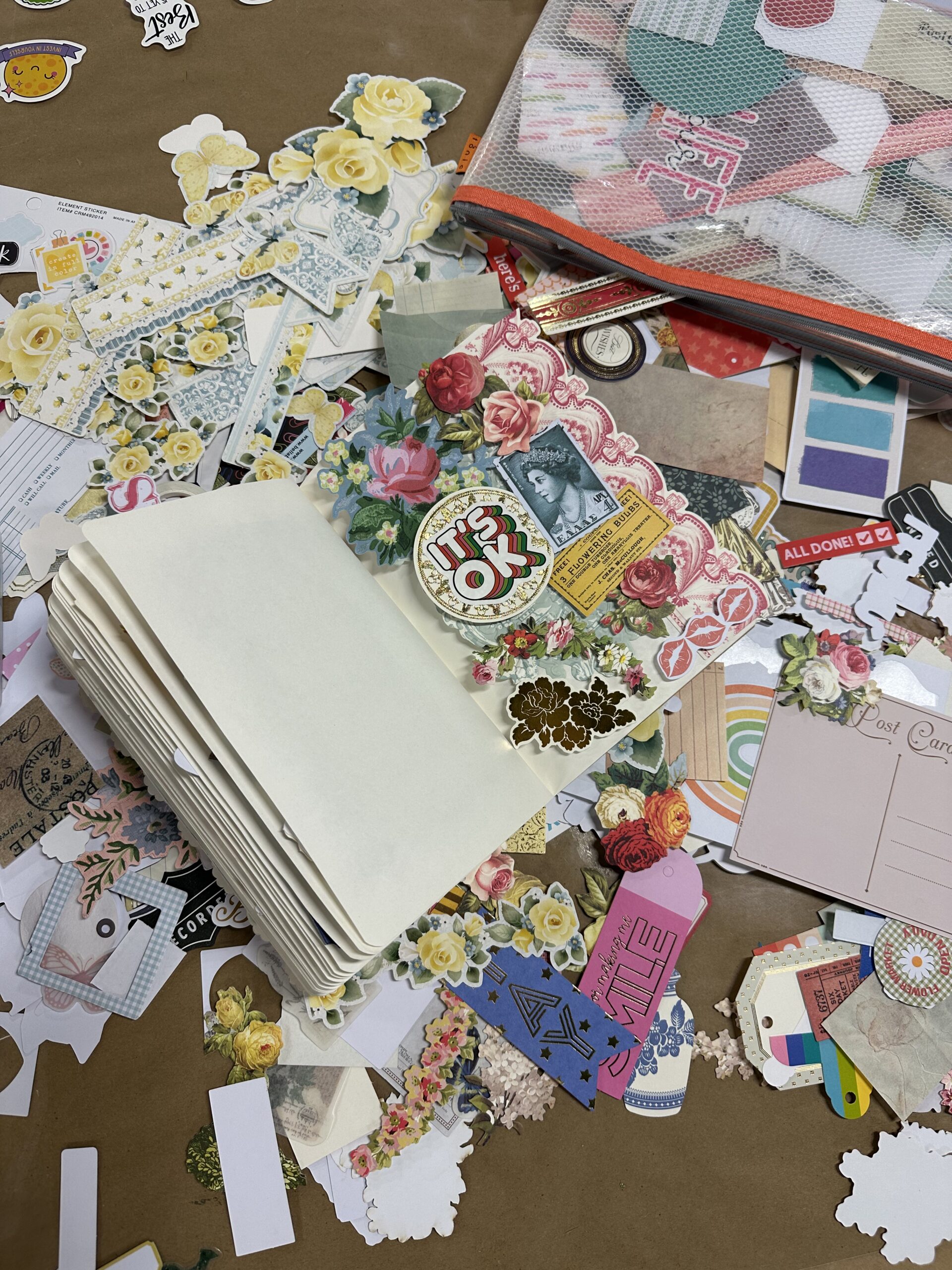
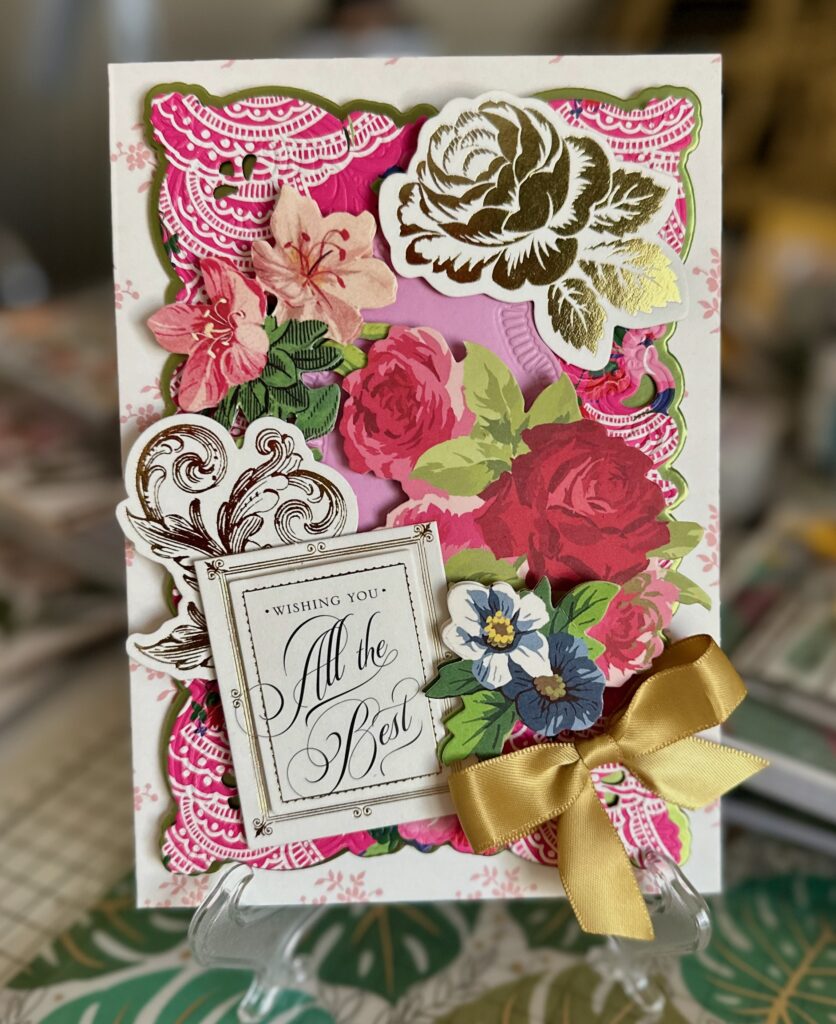
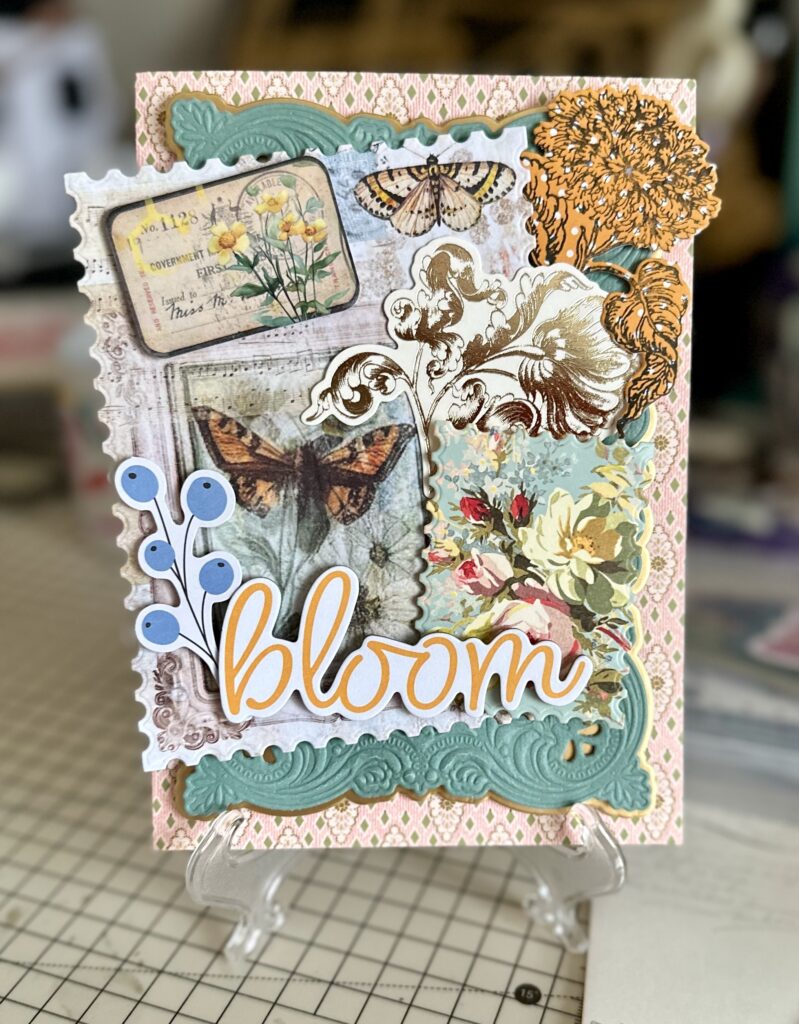
Meeting fellow crafters in my community and virtually around the world (literally!), our conversations often turn to the favorite items in our craft rooms. From cardstock to adhesive, embellishments to storage, and everything in between — we like what we like and LOVE to discover new supplies.

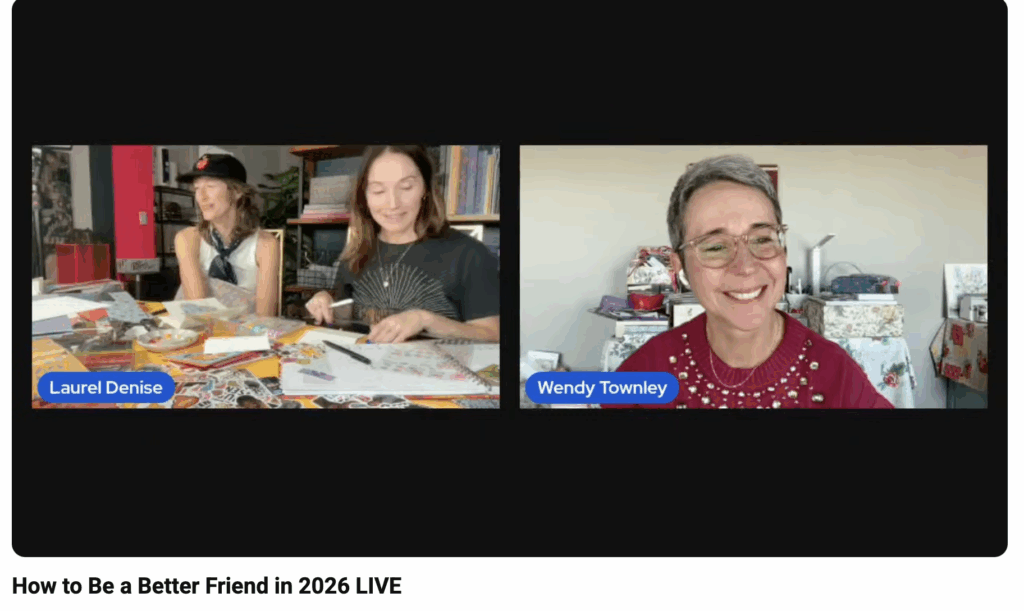
Following a recent — and VERY FUN! — live YouTube guest appearance with Laurel Denise, our conversation inevitably turned to our shared love of craft supplies.

Collecting? Hoarding?

Cardstock and Scrapbook Paper Options

Before you can jump into using the crayon resist stamping technique on your homemade card, you need to gather some supplies. You may even have some of these things at home already! Here’s what you’ll need:

  • Cardstock: A sturdy cardstock that can handle water-based media without buckling is best.
  • Crayons: Wax crayons or watercolor crayons work well for this technique. 
  • Stamps: Rubber stamps, clear stamps, and even household items can be used for stamping.

Ephemera, Embellishments, and Pretty Things

Before you can jump into using the crayon resist stamping technique on your homemade card, you need to gather some supplies. You may even have some of these things at home already! Here’s what you’ll need:

  • Cardstock: A sturdy cardstock that can handle water-based media without buckling is best.
  • Crayons: Wax crayons or watercolor crayons work well for this technique. 
  • Stamps: Rubber stamps, clear stamps, and even household items can be used for stamping.

Adhesive to the Rescue

Before you can jump into using the crayon resist stamping technique on your homemade card, you need to gather some supplies. You may even have some of these things at home already! Here’s what you’ll need:

  • Cardstock: A sturdy cardstock that can handle water-based media without buckling is best.
  • Crayons: Wax crayons or watercolor crayons work well for this technique. 
  • Stamps: Rubber stamps, clear stamps, and even household items can be used for stamping.

Steps for the Crayon Resist Stamping Technique

Now that you have your crayon resist card supplies ready, you can get started! Follow this step-by-step crayon resist stamping tutorial to make your own crayon resist stamped cards:

  1. Prepare your cardstock: Cut your cardstock to the desired size and fold it in half to create your card base (you can also add some watercolor or ink in this stage for the background).
  2. Stamp the image: Press the inked stamp firmly onto the cardstock, ensuring good contact to transfer the design. 
  3. Apply crayon to cardstock: Experiment with different crayon application techniques, like coloring in a solid block, creating patterns, or using a light touch for a subtle effect.
  4. Apply watercolor, ink, or dye: Use a sponge or brush to lightly apply and rub in your water-based media, make sure you go over the crayon areas. 
  5. Allow to dry: Let your card air dry completely, or you can speed up the process by using a heat tool like a hair dryer.
  6. Add optional embellishments: Once the card is dry, enhance it with embellishments like glitter, sequins, or die cuts to add extra dimension and personality.
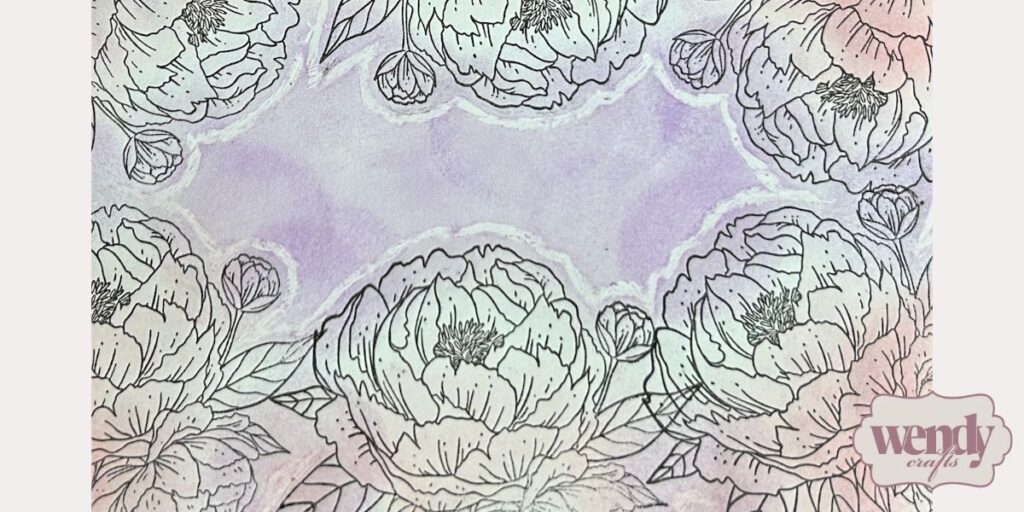
Detail of white crayon design resisting lavender colored ink

Tips and Tricks for the Best Results

It can take a few practice runs to master the crayon resist stamping technique. So, here are some tips to help you get clean and vibrant results:

  • Apply crayon evenly: For a smooth resist effect, be sure the crayon is applied evenly to the cardstock. You might need to draw on multiple layers to make thick lines.
  • Control water for watercolors: Use minimal water and lightly apply watercolor to avoid oversaturating the paper and bleeding into the crayon areas. You should also use minimal water.
  • Experiment with color combinations: For colorful, eye-catching results, try combining cool (purples, blues, and greens) or warm (reds, oranges, and yellows) colors.
  • Unique backgrounds with crayon resist spray bottle painting: Create interesting backgrounds by spraying diluted watercolor over crayon drawings or patterns using a spray bottle. This will give your card a splatter effect.
  • Use white crayon for highlights: If you want bright highlights, use a white crayon. It works on both light and dark cardstock, but it’s a little difficult to see what you’re drawing on white cardstock.
  • Scratch the crayon off if needed: If you use white crayon, sometimes the water-based media will sit on top of it. After the media dries, you’ll simply need to scratch the crayon wax off to reveal your design.
  • Clean your stamps thoroughly: Crayon residue can build up on your stamps, especially if you’re layering. Clean your stamps with a stamp cleaner or even a damp paper towel. 

Ideas for Crayon Resist Cards

The crayon resist stamping technique opens up a world of creative possibilities for card making. One way to explore this technique is to create beautiful backgrounds with simple crayon shapes. For a whimsical effect, use stripes, dots, or swirls. 

You can create original cards for specific occasions, such as birthdays or holidays, using stamps and colors that match the theme. For example, you could create a birthday card with brightly colored balloons or a Christmas card with festive red and green trees.

Embellishments and Mixed Media

Don’t be afraid to combine crayon resist with other card-making techniques. Pair it with embossing, die-cutting, or stenciling for added depth and dimension. Layering these techniques creates unique and intricate designs. 

It’s also helpful to look for inspiration online or in card-making magazines to discover different ways to use the crayon resist technique. You’ll find endless possibilities, from simple cards to elaborate mixed-media crafts.

Can I Use This Technique in Art?

Crayon resist isn’t limited to card making! You can use this technique for general crayon resist paintings. Just use smooth, thick paper, like bristol board or even watercolor paper, so it doesn’t get soggy when the crayon and watercolor resist. Watercolor paints can oversaturate thin paper and cause it to rip easily.

Ready to Try Crayon Resist Stamping?

The crayon resist stamping technique is a great way to add a simple yet personal touch to your handmade cards. It’s a versatile technique that’s easy to learn and opens the door to new forms of creativity. Start creating your own stunning crayon resist cards today!

If you used this tutorial, I’d love to see your creations! Share your crayon resist cards with me on social media using the hashtag #WendyCrafts, and be sure to check out my other blog posts for more crafting inspiration and tutorials.

Saying No as an Act of Joy: Escaping Burnout During the Holiday Rush

Your Mental Health

By Holly Rohring (@heyitscounselorholly)

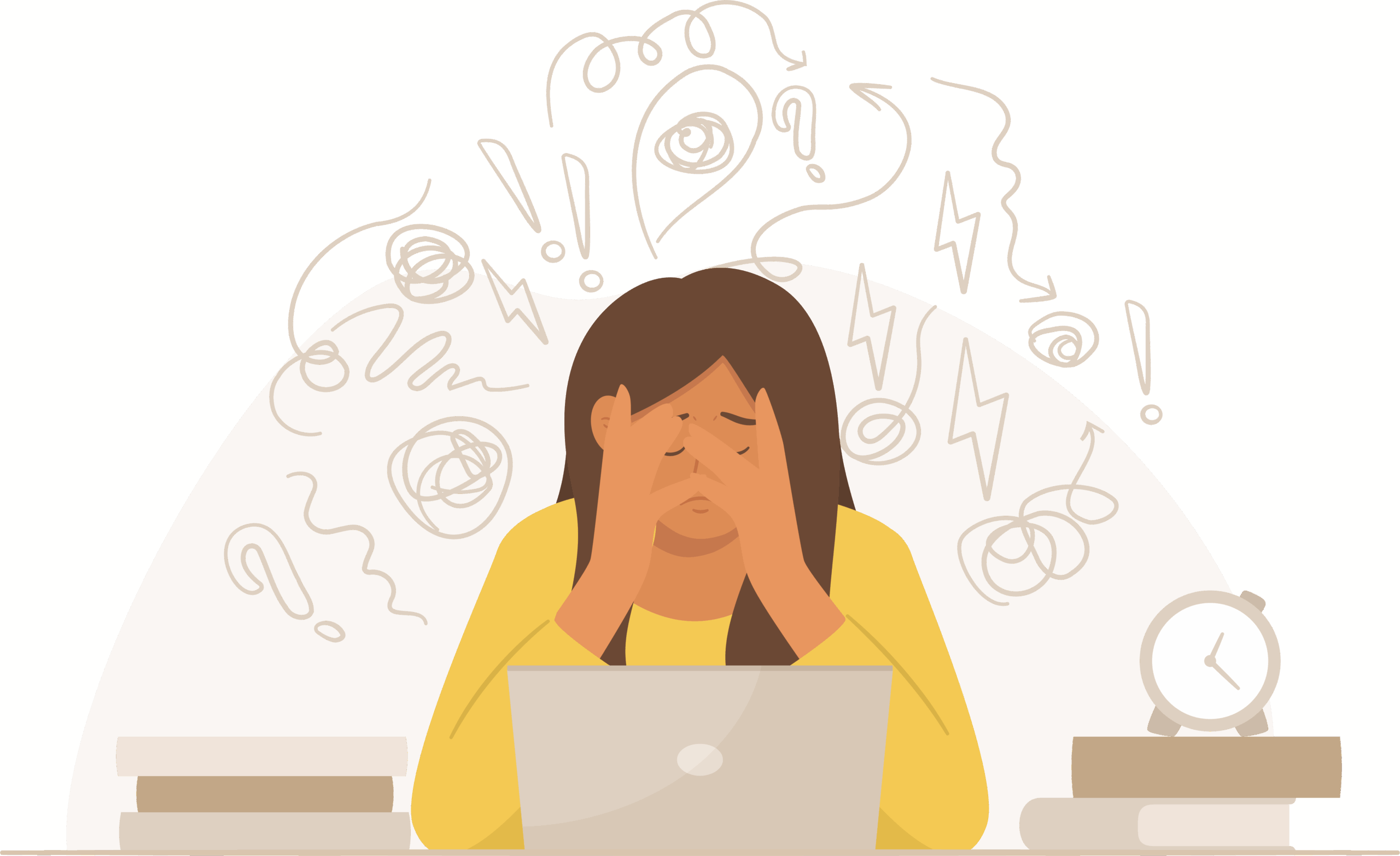
If you’ve ever found yourself stress-eating peppermint bark while staring at a calendar packed tighter than Santa’s workshop… welcome. You’re in good company.

The holiday season is supposed to be magical, but somehow it always turns into a marathon of events, obligations, shopping, and trying to remember which relative is allergic to what. And underneath all of that? Burnout- quietly waving from the corner like, “Hey, remember me?”

Burnout vs. Engagement: The Real Opposites

Burnout is that drained, hopeless feeling when your brain is basically running on the emotional equivalent of low-battery mode. Its opposite, engagement, is when you actually feel energized and connected to what you’re doing.

Fun fact: you cannot be engaged in life if you’re drowning in too many commitments. No one is “fully alive” while sprinting from event to event with a to-do list that multiplies like Christmas cookies.

Why Saying No Is Weirdly Joyful

We treat “no” like it’s a bad word, but honestly? It might just be the secret to enjoying your life again.

Wait, what?

Yes, saying “no” can actually be a good thing. If you use it in the right way.

Saying “no” creates margin.
Saying “no” protects your mental health.
Saying “no” means you get to show up to the things you actually care about without silently plotting your escape.

And during the holidays, saying “no” can become self-care with a bow on it- if you let it.

Boundaries: Your Holiday Season Survival Tool

The holidays love to tell us we must do everything. Go to all the gatherings! Say yes to every volunteer spot! Make twelve dozen cookies!

Meanwhile, burnout is like, “Please stop.”

But what if this year, instead of letting December chew you up and spit you out, you practiced saying “no” with confidence (and maybe a little sass)?

Because every time you say “no” to something draining, you say “yes” to something better–like rest, joy, or simply being able to feel your face again.

This holiday season, let your joy come from what you choose, not what you’re pressured into. You don’t have to do it all to be fully present. You don’t have to say yes to be valued. And you absolutely don’t have to run yourself into the ground to make the season meaningful.

Protect your peace.
Guard your energy.
And remember: every “no” creates space for a more intentional, joyful, wholehearted “yes.”

Reflection Questions

  • What holiday commitments energize me, and which ones secretly make me want to hide in the pantry?
  • Where do I need to give myself permission to say “no” this season?
  • What would it look like to enter January feeling rested instead of wrecked?

About Holly Rohring

Holly Rohring (@heyitscounselorholly) has over 10 years of experience as an educator and has been working in the mental health field since 2019. She has worked with teens and families in PHP/IOP settings, providing her with experience in the following areas: suicidal ideation, self-harm, psychosis, depression, anxiety, behavioral issues, academic/school concerns, family dynamics, parent/child relationships, personality disorders, mood disorders, adjustment disorders, and couples therapy.

Holly’s areas of specialty include: Cognitive Behavioral (CBT), Trauma-informed care, Exposure Response Prevention, Solution-Focused techniques, and Christian Counseling. She has the following trainings: Gottman Level 1 & Treating Affairs/Trauma, and Certified Clinical Anxiety Training.

In 2025, Holly and her twin sister, Heather Kell of Kell of a Plan, released their first Mental Health Journal. Intended for use individually or in tanedem with a counselor or therapist, the journal offers the following sections.

  • Mental Health Weekly Check-Ins: Foster self-awareness and track your emotional well-being.
  • Daily Mood Journaling: Use an emotion wheel and prompts to reflect on your feelings each day.
  • Fighting Anxiety: Confront and process stressors with practical, calming tools.
  • Gratitude Journaling: Cultivate a positive mindset through daily gratitude reflections.
  • Coloring Sheets: Embrace mindfulness and relaxation with calming, creative outlets.
  • Therapy Notes: A space to jot down key takeaways from therapy sessions or mental health insights.

Holly is a Licensed Professional Counselor who works to meet individuals and couples where they are. She believes that every client can build the life they desire and is passionate in aiding them to weather the storms of life.

Managing Overthinking and Rumination

Your Mental Health

By Holly Rohring (@heyitscounselorholly)

The Hamster Wheel

It starts with a simple text: “Can we talk later?”
Five small words — harmless, right? But before you know it, your mind is sprinting.

Did I do something wrong?
Maybe I shouldn’t have joked about that thing yesterday.
No, it’s probably fine. But… what if it’s not?

By the time the conversation actually happens, you’ve already lived through fifteen versions of it in your head — each one worse than the last. And when it’s finally over, you realize you’re not tired from the talk itself… you’re tired from thinking about it all day.

That’s what overthinking does. It convinces you that you’re being productive — that you’re “just trying to be prepared” — when really, you’re stuck on a mental hamster wheel. You’re moving fast, but you’re not getting anywhere.

So, what exactly is overthinking? It’s when your mind fixates on a situation, analyzing it from every possible angle. Closely related is rumination — when your thoughts circle around something negative, replaying it over and over without finding resolution.

If you’re a “classic overthinker” or find yourself stuck in rumination, you’re not alone. These thought patterns often show up in anxiety, OCD, or depression. They feel sticky — intrusive thoughts that won’t leave you alone, no matter how much you reason with them.

And what do we usually do? We follow the trail the thought leaves behind. We scroll back through texts to make sure we didn’t say something wrong. We replay conversations, trying to find proof we’re okay. Or we imagine worst-case scenarios to “prepare” ourselves.

The problem is, all of that searching and reassurance only teaches your brain that these thoughts are threats that must be solved — and so the cycle continues.

Our brains are fascinating — and sometimes frustrating — machines. They’re wired to protect us from danger, which means they react to fear whether it’s real or imagined. Think about how a scary movie or a haunting story can make your heart race. The same thing happens when our thoughts trigger fear.

Overthinking and rumination strengthen those fear pathways, keeping your mind in a loop of worry and doubt. But the good news is, there’s a way out.

Here are a few simple steps to start breaking the cycle:

  • Acknowledge the thought. As soon as you notice it, gently label it: “I’m overthinking again.” Awareness is the first step toward change.
  • Self-soothe. You don’t have to fight your thoughts. Engage in something that calms your nervous system — a walk, a creative project, journaling, or deep breathing.
  • Reach out for support. Anxiety and depression are common and treatable. You don’t have to manage them alone.

Remember — emotions are like the check-engine lights on your dashboard. They’re not there to shame you; they’re there to signal you to slow down, open the hood, and see what needs care.

When you start noticing your thoughts instead of chasing them, you reclaim your peace — one moment at a time.

Reflection Questions

  • When do you notice yourself overthinking the most — at night, after conversations, or before big decisions?
  • What kinds of thoughts tend to loop for you? Are they about relationships, work, or self-doubt?
  • How does your body feel when you’re caught in overthinking — tense, restless, heavy?
  • What has helped you calm your mind before? Can you name one healthy strategy that brings peace?
  • If your emotions are “check engine lights,” what might they be signaling you to slow down and notice right now?

About Holly Rohring

Holly Rohring (@heyitscounselorholly) has over 10 years of experience as an educator and has been working in the mental health field since 2019. She has worked with teens and families in PHP/IOP settings, providing her with experience in the following areas: suicidal ideation, self-harm, psychosis, depression, anxiety, behavioral issues, academic/school concerns, family dynamics, parent/child relationships, personality disorders, mood disorders, adjustment disorders, and couples therapy.

Holly’s areas of specialty include: Cognitive Behavioral (CBT), Trauma-informed care, Exposure Response Prevention, Solution-Focused techniques, and Christian Counseling. She has the following trainings: Gottman Level 1 & Treating Affairs/Trauma, and Certified Clinical Anxiety Training.

In 2025, Holly and her twin sister, Heather Kell of Kell of a Plan, released their first Mental Health Journal. Intended for use individually or in tanedem with a counselor or therapist, the journal offers the following sections.

  • Mental Health Weekly Check-Ins: Foster self-awareness and track your emotional well-being.
  • Daily Mood Journaling: Use an emotion wheel and prompts to reflect on your feelings each day.
  • Fighting Anxiety: Confront and process stressors with practical, calming tools.
  • Gratitude Journaling: Cultivate a positive mindset through daily gratitude reflections.
  • Coloring Sheets: Embrace mindfulness and relaxation with calming, creative outlets.
  • Therapy Notes: A space to jot down key takeaways from therapy sessions or mental health insights.

Holly is a Licensed Professional Counselor who works to meet individuals and couples where they are. She believes that every client can build the life they desire and is passionate in aiding them to weather the storms of life.

Recognizing Trauma and How to Heal

Your Mental Health

By Holly Rohring (@heyitscounselorholly)

We have all been there. On the receiving end of that story from that friend. We keep our focus on them as they retell the story of something scary or stressful that happened to them that week. Then they end it with that familiar saying, “I am so traumatized!”

So, what is trauma, and how do I know if I am dealing with it? If I were to stop you on the side of the street, microphone in hand, and ask you that question—would you be able to answer?

First, it’s important to recognize that trauma is not the event itself. Instead, it is a powerful emotional response to a distressing event. The event itself is the gateway—the door that can open to trauma symptoms. This explains how two people can experience a similar event and walk away with very different responses. One person may appear unbothered, while the other develops lingering symptoms that can start interfering with their daily life.

Trauma Symptoms, Explained

Trauma symptoms can last for years—even decades. Some of them include:

  • Nightmares and distressing dreams
  • Avoidance of reminders of the event—or even the memories themselves
  • Flashbacks that feel as if the event is happening all over again
  • Heightened startle response
  • Irritability, anger, or self-blame
  • Difficulty sleeping or concentrating

There is no single “recipe” for developing trauma symptoms; however, certain factors increase vulnerability. These include whether the event happened unexpectedly, occurred repeatedly over time, left the person feeling helpless, or occurred during childhood.

The truth is, most of us will experience distressing events at some point in our lives. The question becomes: How do we know if what we’re carrying is trauma? Often, people second-guess themselves when they start wondering this. They look at others and think: “But their experience was so much worse than mine. There’s no way what I went through counts as trauma.”

The reality is that comparing your distressing experiences to someone else’s is like comparing an orange to a pizza—it just doesn’t work. Everyone’s nervous system responds differently, and pain is not a competition. Your experience matters, and so does your healing.

Questions to Ask – and How to Heal

A helpful starting point is to ask yourself:

  • Are these memories or feelings interfering with my daily life or relationships?
  • Do I find myself avoiding people, places, or situations out of fear of being reminded?
  • Do I feel “stuck” in the past, unable to fully engage in the present?

If you answered yes to any of these, you may be experiencing trauma, and that recognition itself is powerful. Naming it opens the door to healing.

How to Begin Healing

  1. Reach out for support. Whether it’s a trusted friend, counselor, or support group, healing happens in safe connection with others.
  2. Practice grounding techniques. Deep breathing, mindfulness, and body-based practices like yoga can help anchor you when symptoms flare up. (Why? Because we know that trauma not only affects the mind, it also affects the body).
  3. Honor your story. Journaling, creating rituals of remembrance, or talking with someone safe can help you give voice to your experience. Our instinct can often be to bury things and keep them hidden. The problem with this is that they still get stirred up unintentionally. Part of healing can often involve sharing your story with others, even if it starts with a trained professional.
  4. Seek professional help if needed. Trauma-focused therapies (like EMDR, somatic experiencing, or CBT) are evidence-based ways to reduce symptoms and reclaim your life.

Healing from trauma is not about “getting over it”—it’s about learning to live with your experiences in a way that no longer controls you. Your story is not defined by what happened to you, but by how you move forward.

It’s Time to Journal

Reflecting on your healing journey — where you’ve been and what you need — is a helpful step. Grab your favorite notebook, journal, or even app, and work through these key questions.

  • When have I minimized or dismissed my own pain instead of acknowledging it?
  • What small step could I take this week to care for myself when difficult memories arise?
  • Who in my life can I trust to walk alongside me as I continue to heal?

About Holly Rohring

Holly Rohring (@heyitscounselorholly) has over 10 years of experience as an educator and has been working in the mental health field since 2019. She has worked with teens and families in PHP/IOP settings, providing her with experience in the following areas: suicidal ideation, self-harm, psychosis, depression, anxiety, behavioral issues, academic/school concerns, family dynamics, parent/child relationships, personality disorders, mood disorders, adjustment disorders, and couples therapy.

Holly’s areas of specialty include: Cognitive Behavioral (CBT), Trauma-informed care, Exposure Response Prevention, Solution-Focused techniques, and Christian Counseling. She has the following trainings: Gottman Level 1 & Treating Affairs/Trauma, and Certified Clinical Anxiety Training.

In 2025, Holly and her twin sister, Heather Kell of Kell of a Plan, released their first Mental Health Journal. Intended for use individually or in tanedem with a counselor or therapist, the journal offers the following sections.

  • Mental Health Weekly Check-Ins: Foster self-awareness and track your emotional well-being.
  • Daily Mood Journaling: Use an emotion wheel and prompts to reflect on your feelings each day.
  • Fighting Anxiety: Confront and process stressors with practical, calming tools.
  • Gratitude Journaling: Cultivate a positive mindset through daily gratitude reflections.
  • Coloring Sheets: Embrace mindfulness and relaxation with calming, creative outlets.
  • Therapy Notes: A space to jot down key takeaways from therapy sessions or mental health insights.

Holly is a Licensed Professional Counselor who works to meet individuals and couples where they are. She believes that every client can build the life they desire and is passionate in aiding them to weather the storms of life.

Reclaiming Your Mental Health from the Routine

Your Mental Health

By Holly Rohring (@heyitscounselorholly)

We’ve all done it.

You get into your car and start the familiar drive home from work—the same route you take every single day. If asked, you could probably list every intersection and count the exact number of traffic lights between your office and your driveway. It’s so routine, so ingrained, that you barely register the trip anymore.

Maybe you call a friend. Maybe your thoughts drift to dinner plans, weekend errands, or something someone said earlier. And then suddenly—you’re home. The key’s in the ignition, the engine is off, and you’re staring at your front door… but you don’t really remember the journey.

Was the light at the neighborhood entrance red or green? What song was on the radio? Did you stop for gas like you meant to?

You’re not sure. But somehow, you made it.

The Mental Health Parallel

You might be wondering: What does this have to do with mental health?

A lot, actually.

That drive home is more than just a commute—it’s a metaphor. It mirrors how we often move through life on autopilot. We get so caught up in routines, responsibilities, and noise that we stop noticing how we feel or what we truly need.

We wake up. We work. We scroll. We check out. Repeat.

At some point—maybe during a tough week, maybe in the middle of a breakdown—we realize we’re running on empty. Physically. Mentally. Emotionally.We don’t know how we got here. We just know we’re not okay.

Recognizing the Signs of Autopilot Living

Living on autopilot doesn’t always look like a crisis. Often, it looks like functioning:

  • Showing up to work
  • Meeting deadlines
  • Smiling on cue

But underneath, you may feel:

  • Disconnected from yourself or others
  • Tired even after resting
  • Numb or irritable for no clear reason
  • Lost in thought but never fully present
  • Unsure of what you want or feel

If this sounds familiar, you’re not alone. And more importantly — you’re not broken. You’re human.

How Creativity Can Help Shift You Out of Autopilot

The good news? Awareness is the first step back to joy.

Here are a few gentle ways to reconnect with your creativity and mental well-being:

1. Check in with yourself daily.

Ask, “How am I really feeling today?” Be honest. Make space for gratitude and give yourself permission to rest or recharge. Pick up a creative hobby just for you—not to be perfect, but to feel.

2. Create small pauses.

Take a few deep breaths before starting your car. Sit quietly with your morning coffee. Step outside. These moments can ground you in the now.

3. Be curious, not critical.

When you feel off, ask yourself why—with kindness. Mistakes, detours, and messy days are part of life and creativity alike.

4. Limit multitasking.

Try doing one thing at a time with full attention. Whether you’re crafting, cooking, or simply eating a meal—practice being fully there. It’s a powerful form of mindfulness.

5. Seek connection.

Talk to a friend. Join a creative group. Write. Reach out for professional help if you need it. You deserve support.

6. Celebrate presence.

Notice the colors around you. Feel the texture of fabric or paint in your hands. Smell your tea. Creativity lives in these little moments—they remind you you’re here, and that’s enough.

Coming Back to Yourself

Autopilot happens—but you don’t have to stay there.

Through creativity and small, mindful acts, you can come back to yourself. Back to joy. Back to presence.

You don’t need a big life change. Just one small moment of awareness. One act of creation. One deep breath.

Let that be enough for today.

Detail of white crayon design resisting lavender colored ink

About Holly Rohring

Holly Rohring (@heyitscounselorholly) has over 10 years of experience as an educator and has been working in the mental health field since 2019. She has worked with teens and families in PHP/IOP settings, providing her with experience in the following areas: suicidal ideation, self-harm, psychosis, depression, anxiety, behavioral issues, academic/school concerns, family dynamics, parent/child relationships, personality disorders, mood disorders, adjustment disorders, and couples therapy.

Holly’s areas of specialty include: Cognitive Behavioral (CBT), Trauma-informed care, Exposure Response Prevention, Solution-Focused techniques, and Christian Counseling. She has the following trainings: Gottman Level 1 & Treating Affairs/Trauma, and Certified Clinical Anxiety Training.

In 2025, Holly and her twin sister, Heather Kell of Kell of a Plan, released their first Mental Health Journal. Intended for use individually or in tanedem with a counselor or therapist, the journal offers the following sections.

  • Mental Health Weekly Check-Ins: Foster self-awareness and track your emotional well-being.
  • Daily Mood Journaling: Use an emotion wheel and prompts to reflect on your feelings each day.
  • Fighting Anxiety: Confront and process stressors with practical, calming tools.
  • Gratitude Journaling: Cultivate a positive mindset through daily gratitude reflections.
  • Coloring Sheets: Embrace mindfulness and relaxation with calming, creative outlets.
  • Therapy Notes: A space to jot down key takeaways from therapy sessions or mental health insights.

Holly is a Licensed Professional Counselor who works to meet individuals and couples where they are. She believes that every client can build the life they desire and is passionate in aiding them to weather the storms of life.

What is the Crayon Resist Stamping Technique in Card Making?

How To

Want to add a bit of magic to your handmade cards? The crayon resist stamping technique is a beautiful way to create unique designs that will impress your friends and family. By combining the simplicity of stamping with ink or watercolor paint, you can unlock a world of creative possibilities. 

At Wendy Crafts, I’m passionate about helping you discover the joy of handmade crafting. Whether you’re an expert card maker or someone who is new to crafting, the crayon resist stamping technique is easy to learn and offers endless opportunities for customization.

So grab your supplies, and I’ll walk you through everything you need to know to master this fun and versatile technique!

Handmade card with stamped flowers and an ink wash that shows the crayon resist technique

What is the Crayon Resist Technique?

The crayon resist technique is a simple yet clever art method that relies on the basic principle that oil and water don’t mix. Crayons are made of wax, an oil-based material. When you apply water-based media, like ink or watercolor paint, over the crayon, the wax repels the water, creating a “resist” effect. 

The resist between the oil and water materials leaves behind a beautiful, textured design on the areas where the crayon was applied. 

The beauty of crayon resist art lies in its versatility. Depending on the type of crayons, colors, and application techniques used, you can create effects that range from subtle to “wow!”

Materials for creating the Crayon resist stamping technique: cardstock, ink pads, stamps, foam brushes, white crayon

Materials Needed for Crayon Resist Stamping

Before you can jump into using the crayon resist stamping technique on your homemade card, you need to gather some supplies. You may even have some of these things at home already! Here’s what you’ll need:

  • Cardstock: A sturdy cardstock that can handle water-based media without buckling is best.
  • Crayons: Wax crayons or watercolor crayons work well for this technique. 
  • Stamps: Rubber stamps, clear stamps, and even household items can be used for stamping.
  • Ink Pads: Any stamping ink pads will work, but permanent ink is less likely to smudge.
  • Watercolors, Inks, or Dyes: Choose your preferred water-based media for adding color to your stamped image.
  • Brushes and Sponges: Soft brushes and art sponges are ideal for applying your water-based media.
  • Heat Tool (Optional): A heat tool can speed up the drying process.
  • Other Embellishments (Optional): Add extra flair to your cards with embellishments like glitter, sequins, or die cuts.

Steps for the Crayon Resist Stamping Technique

Now that you have your crayon resist card supplies ready, you can get started! Follow this step-by-step crayon resist stamping tutorial to make your own crayon resist stamped cards:

  1. Prepare your cardstock: Cut your cardstock to the desired size and fold it in half to create your card base (you can also add some watercolor or ink in this stage for the background).
  2. Stamp the image: Press the inked stamp firmly onto the cardstock, ensuring good contact to transfer the design. 
  3. Apply crayon to cardstock: Experiment with different crayon application techniques, like coloring in a solid block, creating patterns, or using a light touch for a subtle effect.
  4. Apply watercolor, ink, or dye: Use a sponge or brush to lightly apply and rub in your water-based media, make sure you go over the crayon areas. 
  5. Allow to dry: Let your card air dry completely, or you can speed up the process by using a heat tool like a hair dryer.
  6. Add optional embellishments: Once the card is dry, enhance it with embellishments like glitter, sequins, or die cuts to add extra dimension and personality.
Detail of white crayon design resisting lavender colored ink

Tips and Tricks for the Best Results

It can take a few practice runs to master the crayon resist stamping technique. So, here are some tips to help you get clean and vibrant results:

  • Apply crayon evenly: For a smooth resist effect, be sure the crayon is applied evenly to the cardstock. You might need to draw on multiple layers to make thick lines.
  • Control water for watercolors: Use minimal water and lightly apply watercolor to avoid oversaturating the paper and bleeding into the crayon areas. You should also use minimal water.
  • Experiment with color combinations: For colorful, eye-catching results, try combining cool (purples, blues, and greens) or warm (reds, oranges, and yellows) colors.
  • Unique backgrounds with crayon resist spray bottle painting: Create interesting backgrounds by spraying diluted watercolor over crayon drawings or patterns using a spray bottle. This will give your card a splatter effect.
  • Use white crayon for highlights: If you want bright highlights, use a white crayon. It works on both light and dark cardstock, but it’s a little difficult to see what you’re drawing on white cardstock.
  • Scratch the crayon off if needed: If you use white crayon, sometimes the water-based media will sit on top of it. After the media dries, you’ll simply need to scratch the crayon wax off to reveal your design.
  • Clean your stamps thoroughly: Crayon residue can build up on your stamps, especially if you’re layering. Clean your stamps with a stamp cleaner or even a damp paper towel. 
Flower design ink stamps

Ideas for Crayon Resist Cards

The crayon resist stamping technique opens up a world of creative possibilities for card making. One way to explore this technique is to create beautiful backgrounds with simple crayon shapes. For a whimsical effect, use stripes, dots, or swirls. 

You can create original cards for specific occasions, such as birthdays or holidays, using stamps and colors that match the theme. For example, you could create a birthday card with brightly colored balloons or a Christmas card with festive red and green trees.

Embellishments and Mixed Media

Don’t be afraid to combine crayon resist with other card-making techniques. Pair it with embossing, die-cutting, or stenciling for added depth and dimension. Layering these techniques creates unique and intricate designs. 

It’s also helpful to look for inspiration online or in card-making magazines to discover different ways to use the crayon resist technique. You’ll find endless possibilities, from simple cards to elaborate mixed-media crafts.

Can I Use This Technique in Art?

Crayon resist isn’t limited to card making! You can use this technique for general crayon resist paintings. Just use smooth, thick paper, like bristol board or even watercolor paper, so it doesn’t get soggy when the crayon and watercolor resist. Watercolor paints can oversaturate thin paper and cause it to rip easily.

Finished card with the crayon resist stamping technique shown

Ready to Try Crayon Resist Stamping?

The crayon resist stamping technique is a great way to add a simple yet personal touch to your handmade cards. It’s a versatile technique that’s easy to learn and opens the door to new forms of creativity. Start creating your own stunning crayon resist cards today!

If you used this tutorial, I’d love to see your creations! Share your crayon resist cards with me on social media using the hashtag #WendyCrafts, and be sure to check out my other blog posts for more crafting inspiration and tutorials.

Fluttering Inspiration: What Are Some Good Butterfly Card Ideas?

Ideas and Inspiration

Handmade Butterfly Cards for Spring & Summer

Aren’t butterflies just the most delightful creatures? They flutter and flit about all spring and summer, bringing a sense of joy and wonder to the garden. We can capture that same wonder and joy at our crafting tables with butterfly cards! 

At Wendy Crafts, I believe in the power of creativity to uplift and inspire, and what better way to express that than through the delicate beauty of butterflies? It warms my heart to share some ideas for bringing their beauty to life in your butterfly cards. 

Whether you’re just starting out or you’re a seasoned creator, there’s something for everyone in the world of butterfly cardmaking ideas.

A closeup of the finished Cricut butterflies.

Discovering Delightful Butterfly Card Ideas

Just as spotting a butterfly in nature can brighten your day, creating a butterfly card can bring a spark of happiness to both the maker and the receiver. There are so many wonderful ways to capture their playful, ethereal essence on paper, from the simplest of designs to more intricate creations. 

Let’s explore some ideas that might just inspire your next butterfly card making adventure!

Simple & Elegant Butterfly Card Ideas

Sometimes, the most beautiful things are the easiest to create. When time is short or you simply prefer a clean and classic look, these simple cards with butterflies are just perfect:

  • The Beauty of Pre-Cuts: You can find pre-cut butterflies in a delightful array of papers and even as sweet little stickers. Just imagine layering a few delicate paper butterflies in soft pastel hues onto a crisp white cardstock—instant elegance! 
  • The Magic of a Simple Stamp: There’s something so charming about a simple butterfly outline or silhouette stamped onto a card. You can use your favorite inks—perhaps a soft gray for a touch of understated beauty or a vibrant color to really make it pop! It’s a lovely way to create sophisticated, minimalist butterfly greeting card ideas that still carry a heartfelt message.
  • Washi Tape Wonders: Washi tape is like a little ribbon of possibility! Butterfly-themed washi tape can add such a whimsical touch to your cards. You can create borders and butterfly trails or even use them to outline a butterfly shape. It’s a fun and easy way to add a bit of flair to your butterfly card-making.
  • Keeping it Minimalist: Sometimes, a single, perfectly placed butterfly is all you need. Imagine a beautifully die-cut butterfly in a contrasting color on a simple cardstock. It speaks volumes without being fussy. These minimalist butterfly greeting card ideas are often the most impactful.
Computer screenshot of the Cricut butterfly designs that will be used for the butterfly card.

Exploring Handmade Butterfly Cards

For those of us who find joy in the process of creating something unique with our own hands, handmade butterfly cards offer a rewarding crafting experience. Here are some other ways to explore butterfly card making:

  • The Art of Paper Piecing: Paper piecing is like putting together a little puzzle of paper to create a layered design. Butterfly wings are just perfect for this! You can choose different patterned papers or coordinating solids for each section of the wing, building up a dimensional butterfly. It adds a lovely texture and depth to your cards with butterflies.
  • Bringing Butterflies to Life with Color: Don’t be afraid to get your hands inky or paint-splattered! Coloring your stamped or die-cut butterflies with markers, watercolors, or even colored pencils can bring them to life in a beautiful way. Adding a little shading along the edges can give them dimension and make them feel like they’re about to take flight on your handmade cards.
  • Adding a Little Sparkle and Shine: Who doesn’t love a bit of sparkle? A touch of glitter on butterfly wings can catch the light so beautifully! And tiny gems or pearls added along the body or wing details can give your butterfly card a touch of elegance. 
Circuit machine cutting butterfly designs.

Unique Butterfly Card Ideas for Special Occasions

Butterflies seem to carry a message of hope and joy, making them perfect for many different occasions. Here are some butterfly card ideas tailored for those special moments:

  • Celebrating Birthdays with Fluttering Fun: For birthdays, let’s make things bright and cheerful! Imagine a cascade of vibrant butterfly die-cuts fluttering across the card front, maybe even layered with some fun birthday greetings. It’s a wonderful way to create a celebratory greeting card.
  • Offering Comfort with Gentle Wings: In times of sorrow, a delicate butterfly can symbolize hope and transformation. Soft, muted colors and a single, gracefully placed butterfly on a sympathy card can convey a sense of peace and comfort in a handmade card.
  • Expressing Gratitude with Graceful Accents: For thank you cards, a subtle butterfly detail can add a touch of elegance. Placing a small butterfly die-cut tucked into a corner or a delicate stamp near your message is a lovely way to create a refined butterfly card.
  • Sending Uplifting Thoughts with Fluttering Friends: A thinking of you card with cheerful colors and an uplifting butterfly design can bring a little bit of sunshine to someone’s day. The recipient will love seeing a few butterflies seemingly taking flight across your handmade card.
  • Welcoming New Life with Sweet Butterflies: For baby shower cards, sweet and gentle butterflies in pastel shades are just adorable. You could pair them with other baby-themed elements for a truly precious butterfly card idea.

The Magic of Butterfly Pop-Up Cards

Butterfly pop-up cards are a most delightful surprise! When the recipient opens the card and a beautiful butterfly seems to flutter to life, it sends a message of joy.

The clever mechanics behind a butterfly pop-up card are fascinating! There are so many ingenious ways to make those beautiful wings seem to flutter to life. Some of the simpler methods involve carefully folding the butterfly’s wings and then attaching its little body to a center panel that gently rises when the card is opened. 

Then there are the more intricate designs, which can create a dynamic fluttering motion—almost as if a real butterfly has landed right on the card! Creating pop-up cards might seem intimidating at first, but don’t let that deter you! It’s a fun and rewarding technique to learn, and the surprise it brings to the recipient is priceless!

Finished Cricut butterfly designs and Thank You inscription designs.

Incorporating Different Materials in Your Butterfly Cards

Don’t limit yourself to just paper! There’s a whole world of card making supplies and materials that can add such a unique and personal touch to your butterfly cards.

  • The Ethereal Beauty of Vellum: With its translucent quality, vellum is just perfect for creating delicate butterfly wings. Layering vellum over colored cardstock creates a beautiful, almost stained-glass effect on your handmade butterfly cards.
  • Adding Texture with Fabric Scraps: Using fabric scraps or embroidery to create a butterfly adds a lovely tactile element to your cards. Imagine a butterfly made of soft felt or delicate lace! Details like these add wonderful dimension to your butterfly cards.
  • Bringing in Nature with Dried Elements: For a truly unique touch, consider incorporating dried flowers and leaves around your butterfly designs. It creates a beautiful, natural feel to your butterfly greeting card.
Attaching the Cricut butterflies to the card base.

Tips for Stunning Butterfly Card Making

Through my own crafting journey, I’ve discovered that the little details can truly elevate a project. To make your butterfly cards truly shine, here are a few little tips I’ve learned along the way.

Play With Color 

Don’t be afraid to experiment with different color combinations! Think about how the colors make you feel—bright and cheerful, or soft and serene? Let your emotions guide your choices for your handmade butterfly cards.

Consider Size and Placement

The size and where you place your butterflies on the card can make a big difference. A single large butterfly can be a beautiful focal point, or a scattering of smaller ones can create a sense of movement on your butterfly card.

Good Cardstock is Crucial

Using a good quality cardstock as your base makes a difference in how your finished card looks and feels. It provides a sturdy foundation for all your lovely butterfly creations.

Make Sure Everything is Clean and Precise

Taking a little extra time to ensure your cuts are clean and your gluing is neat will impact the quality of your butterfly card-making. Precision makes your cards look more professional. 

The finished butterfly card made as a Thank You card.

Start Making Your Fluttering Creations!

From the simplest stamped butterflies to the delightful surprise of a butterfly pop-up card, there are many wonderful ways to capture the beauty and symbolism of these amazing creatures in your paper creations. There’s such joy in giving and receiving a thoughtful butterfly greeting card, a little handmade piece of happiness.

Have fun and let your creativity take flight! 

At Wendy Crafts, I genuinely believe in the power of crafting and how it can offer healing, build community, and spread joy. Be sure to check out the rest of my website for more handmade card and paper craft ideas!

Homemade Cards: How to Make Cards Yourself

How To

Creating A Personal Touch in the Digital Age

You know how we’re all just bombarded with emails and texts these days? Well, isn’t there just something extra special about holding something real in your hands, something someone actually made

That’s how I feel about homemade cards. It’s not just a piece of paper. It’s like a little piece of someone’s heart—a thoughtful “thinking of you” says so much about the person who made it and the person who received it.  

Here at Wendy Crafts, I truly believe that getting creative can bring us closer, help us feel better, and just make us plain happy. And that’s why I’m so excited to share the fun of making your own cards with you!

Homemade card cutting tools and tape.

The Dawn of a Crafting Hobby

My own crafting adventure began with a simple love for paper and the magic of telling stories, something I carried over from my background in journalism. There’s something so satisfying about sitting down to work with different kinds of crafting materials, especially when you’re creating something beautiful like a scrapbook page or a homemade card. 

Discovering the exquisite designs of Anna Griffin was a real turning point for me, and when I finally got my Cricut Maker, well, my imagination just took flight!

Hobby? More Like Taking Over My Life (and House, But In a Good Way!)

For me, crafting isn’t just something I do; it’s a part of who I am. It’s how I let my feelings out, how I find a little bit of calm in the day, and how I connect with all of you lovely people. That little snip of the scissors, the gentle thump of a stamp—the whole creative process brings me a peaceful happiness.  

What started as a little spark of interest has definitely grown into a full-blown crafting hobby that has, shall we say, enthusiastically taken over a good portion of my life and my house! But honestly, I wouldn’t trade it for the world. 

I love the feeling of starting with a blank page and letting the inspiration guide me. Whether it’s a color I saw in a magazine, a pattern on a pretty dress, or the beauty of the leaves outside my window, there’s always something to spark an idea. The absolute best part is sharing those creations with others and seeing the joy they bring. 

I believe everyone has a little bit of creativity tucked away inside them, just waiting to be discovered. It’s not about being perfect; it’s about enjoying the process, expressing yourself in your own unique way, and finding that little spark of joy. So, I encourage you to grab some paper, gather a few simple tools, and give this crafting hobby a try. 

Cardstock, a paper cutting tool, and a corner punch tool for homemade cards.

My Simple Guide to Making Homemade Cards

Making your own cards is absolutely doable, and it’s incredibly fulfilling. Cardmaking allows you to infuse your unique touch into each creation, making the person who receives it feel truly special and seen. 

I’ll show you how easy it is to learn how to start crafting your own cards. No fancy secrets, just the steps I use myself! So, whether you’ve been crafting for ages or thinking, “Hey, that card-making thing sounds kind of fun,” this guide is for you! 

Let’s get started together!

An assortment of papers and embellishments for homemade cards.

1. Pick The Perfect Paper For Your Homemade Cards

The first thing you’ll want to think about is your paper. After all, it’s the canvas for your creativity, right? There are just oodles and oodles of choices, each with its own unique charm. 

As you’re evaluating your paper options, here are a few things to keep in mind:

  • Cardstock Weight: For the base of your card, you’ll want something with a bit of substance, so the finished card feels nice and sturdy in your hand. To give your homemade cards a professional feel, look for cardstock that’s around 80lb to 110lb.
  • Color and Pattern: The color and pattern of your paper really set the mood for your card. Solid colors are elegant and timeless, while patterned papers can add a fun pop of personality. At the same time, don’t be shy about mixing and matching!
  • Texture: Have you noticed how different papers feel to the touch? Some are smooth as silk, while others have a lovely texture like linen or little raised designs. Texture can add such a delightful visual and tactile element to your cards.
  • Size: There are a few standard sizes for cards, like the A2 (folds to about 4.25 x 5.5 inches), the A6 (folding to around 4.5 x 6.25 inches), and the good old A7 (for 5×7 inch cards). Pick a size that feels right for your design and the message you want to share.

When you’re just starting out, it’s a good idea to have a little collection of different colored cardstock and some pretty patterned papers. That way, you’ll have plenty of options to play with!

A collection of tools and materials for making homemade cards.

2. Gather Your Essential Crafting Tools

When learning how to craft your cards, you’ll need a few little helpers—your tools! But you don’t need to spend a fortune, especially when you’re just dipping your toes in. Here are the basics I couldn’t live without:

  • Paper Trimmer or Scissors: A good paper trimmer will give you those nice, clean, straight edges that make your cards look polished. But if you don’t have a paper trimmer, some sharp scissors will do the trick.
  • Scoring Tool and Bone Folder: Scoring is like magic! It’s just creating a little crease line before you fold your cardstock. This makes sure you get a nice, crisp fold instead of a bumpy one. 
  • Adhesive: You’ll need something to hold all your lovely layers together. Double-sided tape is a wonderful starting point—it’s nice and secure and not too messy. You can also experiment with glue dots, liquid glue (just use it sparingly!), and foam tape if you want to add a little bit of dimension.
  • Embellishments (Optional): This is where you can really let your personality sparkle! Think ribbons, buttons, sweet little stickers, die-cut shapes, sparkly gems, and maybe some stamps. Start with a few things that catch your eye, and as your crafting skills grow, so will your collection! 
Simple "love you to the moon and back" inscriptions and moon and heart images.

3. Start Simple with Your Card Designs

When you’re just learning how to make cards, the best approach is to keep it sweet and simple. You don’t need to create the Mona Lisa of cards right away! Focus on clean layouts, a good balance of elements, and placing things where they look just right. 

Here are a few easy design ideas to get your imagination going:

  • Layered Paper: Cut out different shapes or panels of those pretty patterned or colored papers you chose and layer them on your card base using adhesive. This is a great way to use up little scraps and add some lovely visual interest.
  • Focal Point: Pick one main thing you want people to look at—maybe a stamped flower, a cute die-cut shape, or a pretty sticker—and build your design around it. Keep the rest of your card simple to let your main image or element be the star of the show!
  • Simple Sentiments: You can find the sweetest pre-made sentiment stickers or stamps to add your greeting. Or a heartfelt, handwritten message makes a lovely touch.
  • Adding Texture: Don’t forget texture! A little piece of ribbon, some embroidery, twine, or even paper with a raised design adds an irresistible tactile element to your cards.

The most important thing is to enjoy the process and create something that comes from the heart. Don’t put pressure on yourself for perfection when you’re just starting out on this fun crafting adventure.

Assorted paper, stamps, stickers, and cardstock for homemade cards.

4. Personalize Your Homemade Cards

Now, this is where the real magic happens! The beauty of homemade cards is that there are countless ways to make them personal. Take a moment to think about who you’re making the card for and add touches that reflect their personality and your relationship. 

You can add personalization to your cards by doing any of the following:

  • Choosing Colors They Love: If you know their favorite color, try to incorporate it into your design to show you’re really thinking of them.
  • Using Themes Relevant to Them: Do they adore gardening? Maybe add some little floral elements. Are they big fans of a certain animal? See if you can find a cute sticker or die-cut.
  • Handwriting Messages: A handwritten message to the person shows you’ve taken the time to put your thoughts and feelings down on paper.
  • Referencing Inside Jokes or Shared Memories: If it feels right, a little nod to a funny memory you share can make the card extra special.

These personal touches are what make homemade cards so meaningful and treasured. My greatest joy comes from knowing that my creations can make someone feel seen, valued, appreciated, and loved—personalization is a big part of that.

Finished mixed media homemade card with moon and heart images.

Want More Wendy Crafts? Come Join My Community of Creativity!

Learning how to make cards is just the doorway to a whole world of creative fun! I hope this has sparked a bit of creative curiosity in you and maybe even inspired you to gather some paper and give it a go. Remember, it’s not about perfection; it’s about the joy of creating and the connection you make when you share something handmade. 

At Wendy Crafts, I wish to build a warm and welcoming community where we can all share our love of crafting and support each other on our creative journeys. I believe in the wonderful, healing power of creativity and the joy of sharing what we make. 

For more creative ideas and updates on the Wendy Crafts journey, follow me on social media!

What Are the Best Cardmaking Supplies for Homemade Cards?

Craft Supplies

Handmade cards are an expression of care and creativity—they’re little pieces of art crafted just for your loved ones! But to create those memorable cards, you need the right materials. 

At Wendy Crafts, I’ve dedicated years to exploring and mastering the art of cardmaking, and I’m here to share my passion with you. I’ll share my favorite picks for the best cardmaking supplies, from paper types to embellishments to tools. With the right supplies, you can transform a simple DIY card into a beautiful keepsake that will be treasured for years to come.

An assortment of the best cardmaking supplies for making colorful spring or Easter cards with bunnies, eggs, and baskets.

Best Paper for Homemade Cards

The quality of your handmade cards heavily relies on the paper you choose. Selecting the right cardstock and specialty papers can elevate your designs from simple to stunning. 

What is Cardstock?

Cardstock is the foundation of most handmade cards. It’s thicker than regular paper and provides the necessary sturdiness and durability needed for a card. 

Understanding the different types and weights of cardstock is crucial for getting those professional-looking results. Popular types of cardstock include:

  • Smooth Cardstock: Ideal for stamping and printing, offering a clean, crisp surface. This type is perfect for detailed images and intricate designs.
  • Textured Cardstock: Adds visual interest and tactile appeal, perfect for backgrounds and layering. Embossed or linen textured cardstock can elevate simple designs.
  • Glitter Cardstock: Adds sparkle and glamour, great for festive cards. Ensure the glitter is adhered well to avoid shedding.
  • Metallic Cardstock: Adds a sheen, perfect for elegant designs. Brushed metallic or mirror finish cardstock can create stunning effects.
Closeup of a woman's hand holding a sheet of white specialty paper that has been torn along the edges

Weights and Their Uses:

Think of cardstock like fabric—it’s not just about how it looks, but how thick and sturdy it feels. Choosing the best paper for homemade cards often depends on your specific project, so you’ll need to consider the purpose of the card and the desired effect. 

  • 65lb Cardstock: A good option for layering and die cutting. It is a lighter-weight cardstock that will add dimension without adding a lot of bulk.
  • 80lb Cardstock: Excellent for layering and die-cutting, providing flexibility without being too flimsy. It’s versatile and easy to work with.
  • 110lb Cardstock: Ideal for card bases, offering a sturdy foundation. This weight ensures your cards stand upright and maintain their shape.

Essential Cardmaking Supplies

Specialty Papers

Beyond cardstock, specialty papers open up a world of creative possibilities. These papers can add unique textures, visual effects, and a touch of elegance to your handmade cards. Some of the most popular specialty papers for cardmaking include:

Vellum

Vellum is a translucent paper that brings a soft, elegant, and ethereal quality to cardmaking. Its delicate appearance makes it perfect for creating overlays, adding depth, and softening harsh lines. Vellum can be used to create “windows,” layers for photos, or subtle background elements. 

An overhead view of a child's hand putting together a heart-themed card using colorful patterned paper, heart-shaped cutouts, and floral embellishments.

Patterned Paper

With patterned paper, you get fantastic designs right at your fingertips, making cardmaking way easier and instantly adding that “wow” factor. Use patterned paper for backgrounds, borders, or as focal points with eye-catching designs. For a consistent aesthetic, match your pattern selections to the card’s theme and color coordination.

Handmade Paper

There’s something really special about using handmade paper to give cards a lovely, natural feel with different textures and fibers. You can find handmade papers through local artisan shops or online specialty retailers. Handmade paper is ideal for rustic or nature-themed cards when used as a card base or as accent pieces. 

Where to Buy Cardstock and Paper

Whether you’re a beginner or an experienced crafter, knowing where to find quality materials can make all the difference. There are a lot of places to find what you need—from big online shops to your friendly neighborhood craft store and even little specialty shops that have the really cool stuff! 

Some of my favorite supply spots are:

  • Online Retailers: Amazon, Scrapbook.com, and other online stores offer a wide selection of cardmaking supplies at competitive prices. Online retailers often have sales and discounts that make it easy to stock up on items.
  • Local Craft Stores: Michaels, Jo-Ann Fabrics, and similar stores provide hands-on access to various papers. I love being able to see and feel the paper before purchasing.
  • Specialty Paper Stores: These shops often carry unique and high-quality papers for specific projects. They may also offer expert advice for choosing the right paper for your cards.

If you want your cardmaking ideas to come to life, you’ve got to have the right tools and materials. Beyond cardstock and paper, a card crafting arsenal includes a variety of adhesives, cutting tools, and embellishments. These are the kinds of supplies that make your crafting flow smoother and really bump up the quality of your handmade cards. 

  • Adhesives: Glue sticks, liquid glue, and tape runners.
  • Cutting tools: Scissors, paper trimmers, craft knives, and cutting mats.
  • Embellishments: Stickers, gems, glitter, ribbons, twine, washi tape, stamps, and ink pads.
Closeup of a woman's hand using an ink stamps to create designs on a handmade card.

Creative Cardmaking Ideas

Getting creative with cardmaking means trying out all sorts of techniques and finding themes that spark your interest. Whether you’re a beginner or an experienced crafter, there’s always something new to discover. 

Let’s dive into some creative cardmaking ideas that will inspire your next project and help you craft memorable handmade cards. 

DIY Card Ideas for Beginners

For those new to cardmaking, starting with simple techniques builds confidence and creativity. Simple layering is a great way to begin, using different cardstock colors and patterns to create depth and visual interest. Focus on coordinating colors and patterns to ensure a harmonious design. 

The stamping technique is another excellent idea for beginners that allows you to create focal points and backgrounds easily. Consider masking techniques by covering part of your card or designs to create layered stamped images for a more intricate look. 

Die-cutting machines are also beginner-friendly, enabling you to create intricate shapes and designs effortlessly. If you emboss the cut-outs, they create this amazing raised texture that makes your cards look really professional. If you’re looking for simple projects with just a few supplies, Wendy Crafts has tutorials on handmade and homemade cards to get you started. 

Overhead view of a woman attaching folded paper hearts and a basket to cardstock to create a 3-D hot air balloon.

Advanced Cardmaking Techniques

As you become more comfortable with cardmaking, exploring advanced techniques can unlock new creative possibilities. Watercoloring adds vibrant colors and unique effects to your cards—use watercolor paper for the best results. 

If you want to make your cards really pop, try mixed media techniques. Use fabric, buttons, wood cutouts, or whatever else catches your eye—it’ll give your cards a totally unique look and feel. 

Pop-up cards create designs with elements that pop up when opened, offering a delightful surprise for the recipient. There are special pop-up dies and templates that make the whole process a breeze for making impressive, eye-catching cards. 

Homemade Card Inspiration

If you want to make cards that mean something to someone, you’ve got to find that spark of inspiration first. Here are a few ideas to get you started:

  • Birthday cards: Use bright colors and festive embellishments to celebrate the special occasion. Add personalized messages and photos to make the card even more memorable. 
  • Thank you cards: Let your gratitude shine with elegant designs and heartfelt inscriptions. Consider using calligraphy or hand lettering to add a personal touch. 
  • Holiday cards: Showcase seasonal themes and festive holiday colors. Use foil accents and glitter to add sparkle and shine. 

For more DIY card inspiration for all occasions, check out Wendy Crafts’ on Instagram! 

Tips for Choosing the Best Cardmaking Supplies

As you get ready to dive into the exciting world of cardmaking, here are some pointers to help you set the stage for fun and inspiring paper crafting.

  • Consider your budget and crafting frequency: Be honest about how much time you’ll have for making cards, and then buy accordingly.
  • Start with basic supplies: Start with cardmaking supplies that can be used for multiple projects. Gradually add specialty items as you branch out into new techniques and styles.
  • Invest in quality tools: Quality tools last longer and provide better results. Look for tools with ergonomic designs.
  • Explore different brands: Try new products and brands to find your favorites. Read reviews and compare prices for the best deals.
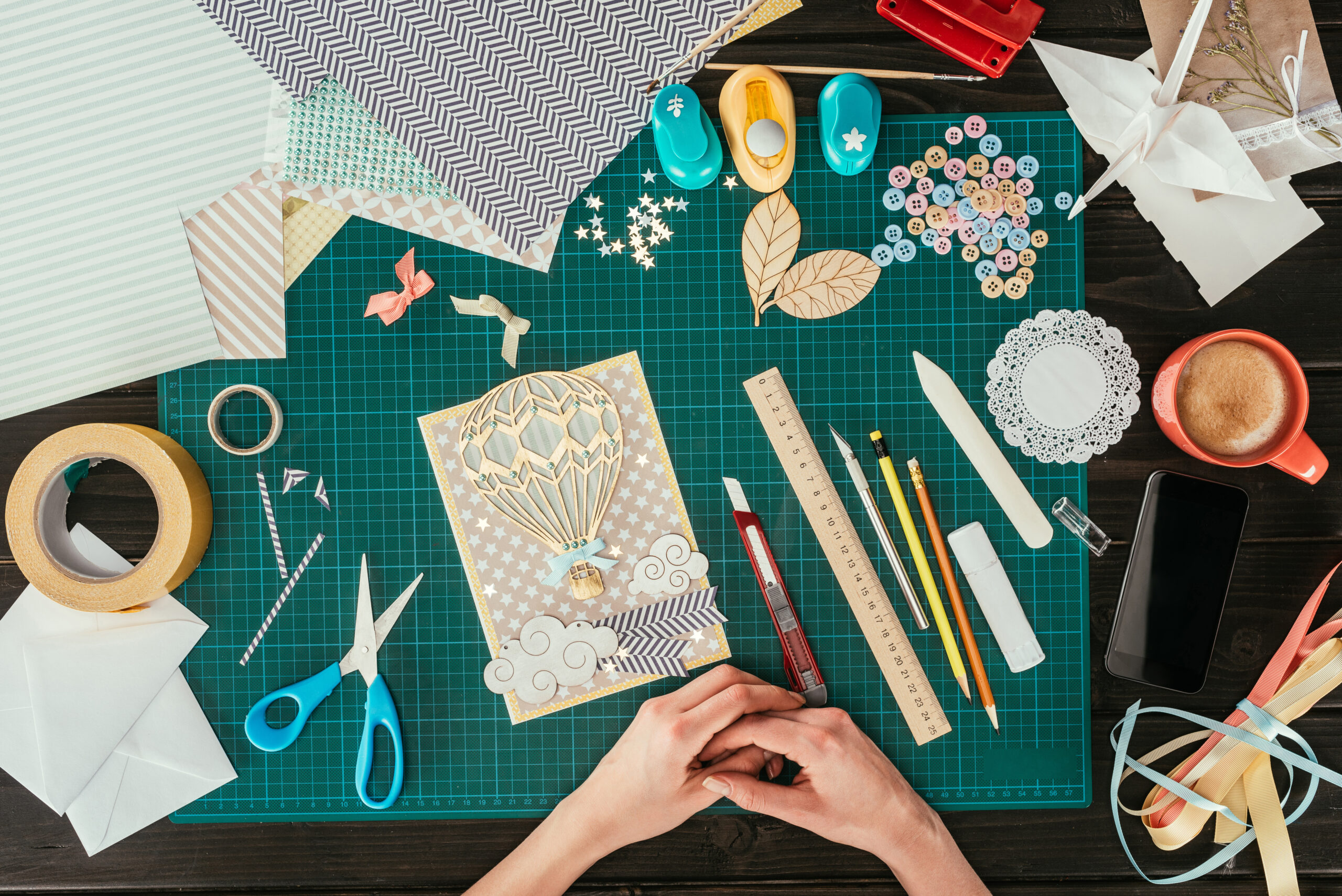
A woman sitting at a table, working on paper crafts while surrounded by cardmaking supplies for her project.

Unleash Your Creativity

Once you discover how easy it is to create gorgeous handmade cards that make people say “wow,” you’ll never look at store-bought cards the same way again! By using the best cardmaking supplies and playing around with various techniques, you can create stunning cards that recipients will love and treasure.

Ready to start crafting? Visit my Wendy Crafts YouTube channel for more tutorials and inspiration. And follow me on Instagram for daily crafting tips and ideas!

What is the Crayon Resist Stamping Technique in Card Making?

How To

Want to add a bit of magic to your handmade cards? The crayon resist stamping technique is a beautiful way to create unique designs that will impress your friends and family. By combining the simplicity of stamping with ink or watercolor paint, you can unlock a world of creative possibilities. 

At Wendy Crafts, I’m passionate about helping you discover the joy of handmade crafting. Whether you’re an expert card maker or someone who is new to crafting, the crayon resist stamping technique is easy to learn and offers endless opportunities for customization.

So grab your supplies, and I’ll walk you through everything you need to know to master this fun and versatile technique!

Handmade card with stamped flowers and an ink wash that shows the crayon resist technique

What is the Crayon Resist Technique?

The crayon resist technique is a simple yet clever art method that relies on the basic principle that oil and water don’t mix. Crayons are made of wax, an oil-based material. When you apply water-based media, like ink or watercolor paint, over the crayon, the wax repels the water, creating a “resist” effect. 

The resist between the oil and water materials leaves behind a beautiful, textured design on the areas where the crayon was applied. 

The beauty of crayon resist art lies in its versatility. Depending on the type of crayons, colors, and application techniques used, you can create effects that range from subtle to “wow!”

Materials for creating the Crayon resist stamping technique: cardstock, ink pads, stamps, foam brushes, white crayon

Materials Needed for Crayon Resist Stamping

Before you can jump into using the crayon resist stamping technique on your homemade card, you need to gather some supplies. You may even have some of these things at home already! Here’s what you’ll need:

  • Cardstock: A sturdy cardstock that can handle water-based media without buckling is best.
  • Crayons: Wax crayons or watercolor crayons work well for this technique. 
  • Stamps: Rubber stamps, clear stamps, and even household items can be used for stamping.
  • Ink Pads: Any stamping ink pads will work, but permanent ink is less likely to smudge.
  • Watercolors, Inks, or Dyes: Choose your preferred water-based media for adding color to your stamped image.
  • Brushes and Sponges: Soft brushes and art sponges are ideal for applying your water-based media.
  • Heat Tool (Optional): A heat tool can speed up the drying process.
  • Other Embellishments (Optional): Add extra flair to your cards with embellishments like glitter, sequins, or die cuts.

Steps for the Crayon Resist Stamping Technique

Now that you have your crayon resist card supplies ready, you can get started! Follow this step-by-step crayon resist stamping tutorial to make your own crayon resist stamped cards:

  1. Prepare your cardstock: Cut your cardstock to the desired size and fold it in half to create your card base (you can also add some watercolor or ink in this stage for the background).
  2. Stamp the image: Press the inked stamp firmly onto the cardstock, ensuring good contact to transfer the design. 
  3. Apply crayon to cardstock: Experiment with different crayon application techniques, like coloring in a solid block, creating patterns, or using a light touch for a subtle effect.
  4. Apply watercolor, ink, or dye: Use a sponge or brush to lightly apply and rub in your water-based media, make sure you go over the crayon areas. 
  5. Allow to dry: Let your card air dry completely, or you can speed up the process by using a heat tool like a hair dryer.
  6. Add optional embellishments: Once the card is dry, enhance it with embellishments like glitter, sequins, or die cuts to add extra dimension and personality.
Detail of white crayon design resisting lavender colored ink

Tips and Tricks for the Best Results

It can take a few practice runs to master the crayon resist stamping technique. So, here are some tips to help you get clean and vibrant results:

  • Apply crayon evenly: For a smooth resist effect, be sure the crayon is applied evenly to the cardstock. You might need to draw on multiple layers to make thick lines.
  • Control water for watercolors: Use minimal water and lightly apply watercolor to avoid oversaturating the paper and bleeding into the crayon areas. You should also use minimal water.
  • Experiment with color combinations: For colorful, eye-catching results, try combining cool (purples, blues, and greens) or warm (reds, oranges, and yellows) colors.
  • Unique backgrounds with crayon resist spray bottle painting: Create interesting backgrounds by spraying diluted watercolor over crayon drawings or patterns using a spray bottle. This will give your card a splatter effect.
  • Use white crayon for highlights: If you want bright highlights, use a white crayon. It works on both light and dark cardstock, but it’s a little difficult to see what you’re drawing on white cardstock.
  • Scratch the crayon off if needed: If you use white crayon, sometimes the water-based media will sit on top of it. After the media dries, you’ll simply need to scratch the crayon wax off to reveal your design.
  • Clean your stamps thoroughly: Crayon residue can build up on your stamps, especially if you’re layering. Clean your stamps with a stamp cleaner or even a damp paper towel. 
Flower design ink stamps

Ideas for Crayon Resist Cards

The crayon resist stamping technique opens up a world of creative possibilities for card making. One way to explore this technique is to create beautiful backgrounds with simple crayon shapes. For a whimsical effect, use stripes, dots, or swirls. 

You can create original cards for specific occasions, such as birthdays or holidays, using stamps and colors that match the theme. For example, you could create a birthday card with brightly colored balloons or a Christmas card with festive red and green trees.

Embellishments and Mixed Media

Don’t be afraid to combine crayon resist with other card-making techniques. Pair it with embossing, die-cutting, or stenciling for added depth and dimension. Layering these techniques creates unique and intricate designs. 

It’s also helpful to look for inspiration online or in card-making magazines to discover different ways to use the crayon resist technique. You’ll find endless possibilities, from simple cards to elaborate mixed-media crafts.

Can I Use This Technique in Art?

Crayon resist isn’t limited to card making! You can use this technique for general crayon resist paintings. Just use smooth, thick paper, like bristol board or even watercolor paper, so it doesn’t get soggy when the crayon and watercolor resist. Watercolor paints can oversaturate thin paper and cause it to rip easily.

Finished card with the crayon resist stamping technique shown

Ready to Try Crayon Resist Stamping?

The crayon resist stamping technique is a great way to add a simple yet personal touch to your handmade cards. It’s a versatile technique that’s easy to learn and opens the door to new forms of creativity. Start creating your own stunning crayon resist cards today!

If you used this tutorial, I’d love to see your creations! Share your crayon resist cards with me on social media using the hashtag #WendyCrafts, and be sure to check out my other blog posts for more crafting inspiration and tutorials.